Siding Stonehouse: Stone Cladding Costs, Types & Installers
Planning a siding stonehouse exterior upgrade—whether you are pricing full stone veneer panels for a residential facade or vetting specialized installers like Stonehouse Window & Siding—gets expensive fast if you mix up structural natural stone with lightweight manufactured veneer. Last spring, I reviewed three exterior cladding bids for a 2,200-square-foot colonial whose owner wanted a rugged fieldstone wainscot and gable accent, and switching from full-bed quarried limestone to mortarless polyurethane faux stone panels saved $14,200 in structural ledger work and mason labor.
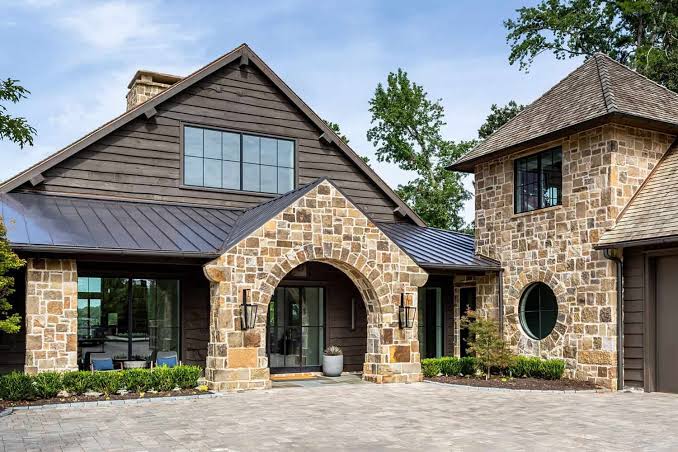
Modern stone cladding gives your exterior walls unmatched curb appeal, Class A fire resistance, and decades of durability without peeling paint. Knowing the real installed cost per square foot, how moisture drains behind masonry veneers, and when to blend stone accents with standard lap siding helps you stay on budget while avoiding hidden water damage.
Siding Stonehouse Overview
Key facts to know first
Realistic installed costs across stone, veneer, and faux panels
In 2026, lightweight polyurethane faux stone panels run $9 to $16 per square foot installed ($3 to $5 per square foot for materials alone), making them the most budget-friendly option. Manufactured cultured stone veneer averages $11 to $22 per square foot installed, while natural quarried stone veneer lands between $18 and $38 per square foot, and full-bed natural stone climbs to $35 to $50 per square foot.
Structural weight limits and foundation ledger requirements
Full-bed natural stone weighs 35 to 50 pounds per square foot, which requires a concrete foundation ledge and stainless steel wall ties to carry the vertical load safely. By contrast, adhered manufactured stone veneer weighs under 15 pounds per square foot and panelized faux stone weighs just 1 to 3 pounds per square foot, allowing installation directly over framed wood walls without foundation modifications.
Combining stone accents with standard siding or fresh paint
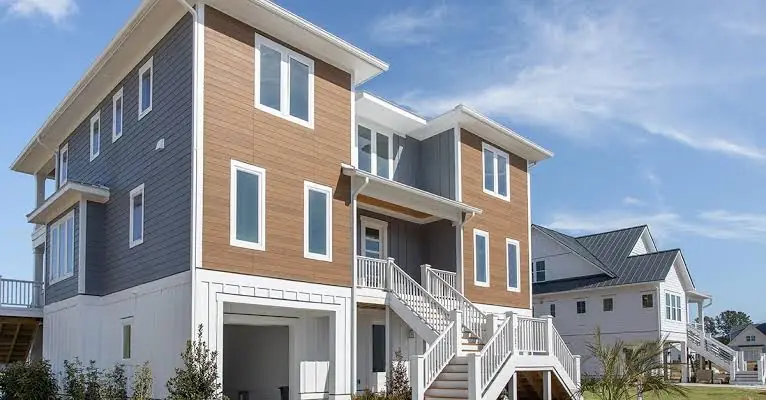
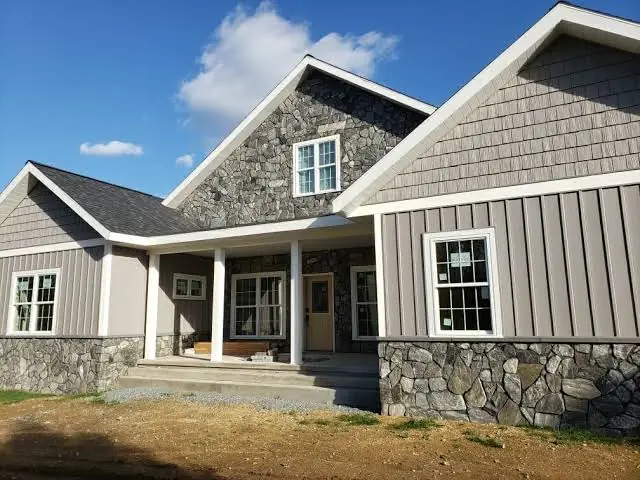
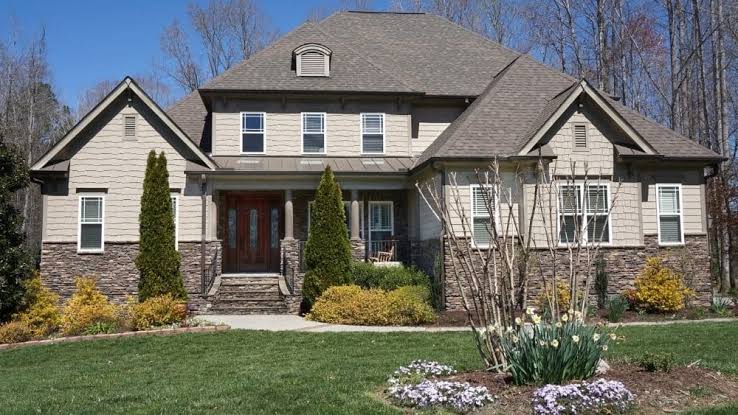
Most homeowners keep total project costs between $6,500 and $15,000 by wrapping only the front porch columns, garage knee walls, or lower foundation skirt in stone rather than covering all four walls. If you pair stone wainscoting with existing clapboards or new lap siding, checking alternatives to painting house exteriors or reading an honest walpamur exterior paint review helps you coordinate upper-wall finishes that match your stonework’s lifespan.
What most people get wrong
Installing stone veneer directly over standard housewrap without drainage
Mortared stone veneer absorbs wind-driven rain like a sponge, and trapping that water against flat housewrap rots OSB wall sheathing within five years. According to the Natural Stone Institute, adhered masonry veneer assemblies require two layers of water-resistive barrier, a ventilated drainage mat or weep screed at the base, and corrosion-resistant metal lath so trapped moisture exits cleanly at the bottom of the wall.
Assuming natural and manufactured stone require zero maintenance
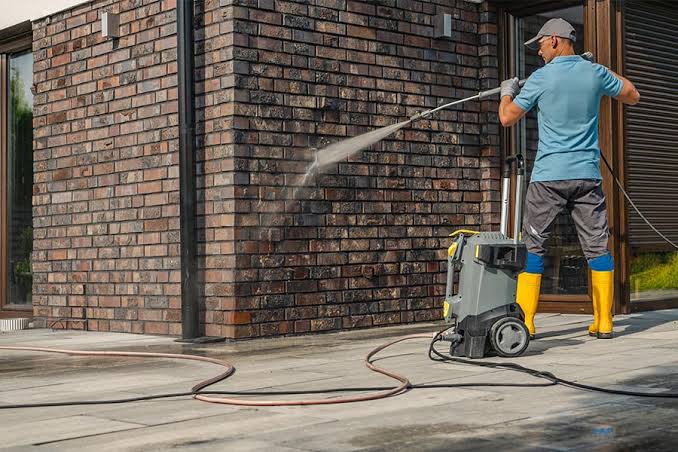
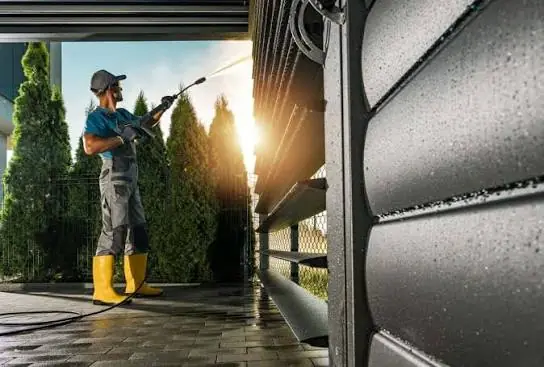
Even though stone never needs scraping or repainting, porous limestone, sandstone, and mortar joints still collect green algae, efflorescence salt deposits, and sprinklers’ mineral stains over time. Never blast stone veneer with a narrow 15-degree high-pressure wand, which pits soft mortar and strips surface color from cultured stone.
Best siding stonehouse materials compared by budget and durability
Match your stone cladding system to your wall framing, climate, and upfront budget so you get authentic texture without structural surprises.
-
Polyurethane faux stone panels (GenStone or NextStone): Fastens directly to wall sheathing with exterior deck screws and overlapping shiplap seams, ideal for DIY weekend wainscot projects under $15 per square foot installed.
-
Cultured / manufactured concrete stone veneer (Eldorado Stone or Boral): Cast from lightweight concrete aggregates in natural rock molds, delivering realistic shadow depth and Class A fire protection at roughly half the weight of real quarry stone.
-
Natural thin-cut stone veneer (granite, slate, or limestone): Sliced to 1-to-1.5-inch thickness from real quarried stone, giving you authentic mineral variation and lifetime color permanence without needing a masonry foundation ledge.
-
Full-bed natural building stone: Built from 3-to-5-inch thick quarried rock laid in structural mortar, offering a 100-year exterior lifespan and top resale return for custom homes with reinforced concrete ledges.
-
Vinyl shake and stone-look accent siding (from installers like Stonehouse Window & Siding): Pairs insulated vinyl lap siding with molded polymer stone skirts for seamless trim integration and low-maintenance weather resistance.
Vetting local stone and vinyl siding installers before paying a deposit
Whether you hire a dedicated masonry crew or an established exterior contractor like Stonehouse Window & Siding, confirm they carry specific coverage for adhered veneer and flashing installation. Ask to see photos of their weep-screed flashing details at the bottom wall transition and above windows, because improper kickout flashing is the number-one cause of interior drywall leaks on stone-front homes.
Safe low-pressure cleaning for stone facades and mortar joints
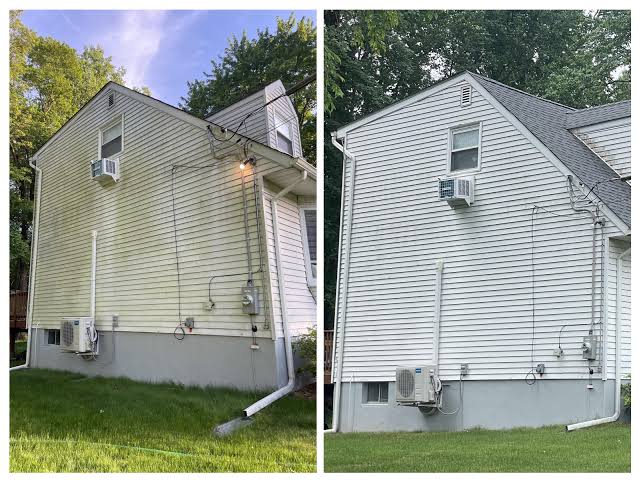
When shaded north-facing stone walls or mortar joints develop green moss or dark organic streaks, gentle chemical cleaning protects the stone face far better than high-PSI water. Before booking exterior maintenance, check verified feedback like rj pressure washing reviews to verify the crew uses low-pressure soft washing and breathable masonry cleaners safe for natural and cultured stone.
Frequently Asked Questions
How much does a siding stonehouse exterior project cost on average?
For a full 2,000-to-2,500-square-foot home, lightweight faux stone panels cost $18,000 to $35,000 installed, manufactured stone veneer runs $25,000 to $55,000, and natural stone climbs from $45,000 to over $100,000. Most homeowners spend $6,500 to $15,000 by installing stone accents on front gables, porch columns, or lower wainscoting instead of the entire house.
What is the difference between cultured stone veneer and faux stone panels?
Cultured stone veneer is made from lightweight concrete poured into stone molds and installed piece by piece with mortar over metal lath. Faux stone panels are molded from high-density polyurethane foam in interlocking sheets that screw directly into wall sheathing, making them lighter, faster to install, and more DIY-friendly.
Can stone veneer be installed over existing vinyl or wood siding?
No, you should never install mortared stone veneer or faux stone panels directly over hollow vinyl siding because vinyl flexes and traps moisture behind the panels. Contractors must remove existing siding down to solid wood sheathing, install a double weather-resistive barrier and drainage plane, and fasten the stone cladding cleanly.
Does adding stone siding increase home resale value?
Yes, manufactured stone veneer consistently ranks among the highest-return exterior upgrades in national Cost vs. Value reports, often recouping 90% to over 100% of installation costs at resale. Even a partial stone wainscot across the front facade boosts curb appeal and buyer perception immediately.
Ready to Plan Your Stone Exterior Upgrade?
Choosing the right siding stonehouse system comes down to balancing authentic rock texture against structural weight limits and moisture drainage—using polyurethane panels or cultured stone veneer on standard framed walls and insisting on proper weep-screed flashing. Measure the square footage of your front facade or lower wainscot this weekend, decide whether you want full stone coverage or a high-ROI accent wall, and request three itemized quotes from licensed local siding and masonry contractors.