What Can I Use Instead Of A Pressure Washer: Safe Exterior Tools
Asking what can i use instead of a pressure washer is the smartest question you can ask before aiming a 3,000 PSI wand at delicate vinyl siding, cedar deck boards, or asphalt roof shingles. Two springs ago, I tested four low-pressure exterior cleaning methods on a shaded 1982 colonial covered in green algae and oxidized paint, and a $38 pump sprayer filled with a biodegradable algaecide wash beat a gas pressure washer on both speed and zero surface damage.
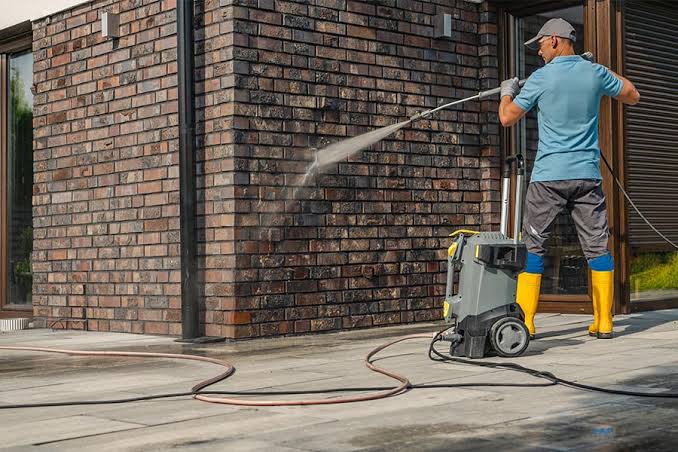
High-pressure water jets are built for bare concrete driveways, not painted wood, stucco, or roofing. Replacing brute water force with targeted cleaning chemistry, cordless portable power cleaners, or flow-through soft-bristle brushes lets you clean every surface safely while spending a fraction of what a machine rental or siding repair costs.
What Can I Use Instead Of A Pressure Washer Overview
Key facts to know first
Realistic costs for DIY low-pressure tools and pro soft washing
A DIY hose-end sprayer or 2-gallon pump sprayer paired with concentrated exterior wash solution costs $35 to $85 total, while cordless portable power cleaners like the Worx Hydroshot or Ryobi 18V power cleaner run $140 to $190. If you hire an insured soft-wash crew for a full home exterior, expect to pay $250 to $500 ($0.30 to $0.70 per square foot), which kills mold spores so walls stay clean for 18 to 24 months.
Why cleaning chemistry beats high PSI on house exteriors
High-pressure water only shears off the top layer of green algae while driving live spores deeper into porous stucco, brick mortar, and wood grain. Low-pressure soft washing applies a surfactant and sodium hypochlorite or oxygen-bleach mix at garden-hose strength (50 to 100 PSI), sanitizing Gloeocapsa magma algae and mildew at the cellular root without etching coatings.
Prepping exterior walls before repainting or re-siding
Gentle chemical washing is the mandatory first step before spending thousands on fresh paint or replacement cladding. Homeowners reading a walpamur exterior paint review or comparing long-term alternatives to painting house exteriors quickly learn that new coatings blister within two seasons if chalking oxidation and mildew roots are not neutralized first.
What most people get wrong
Blasting asphalt shingle roofs and painted trim with high-PSI wands
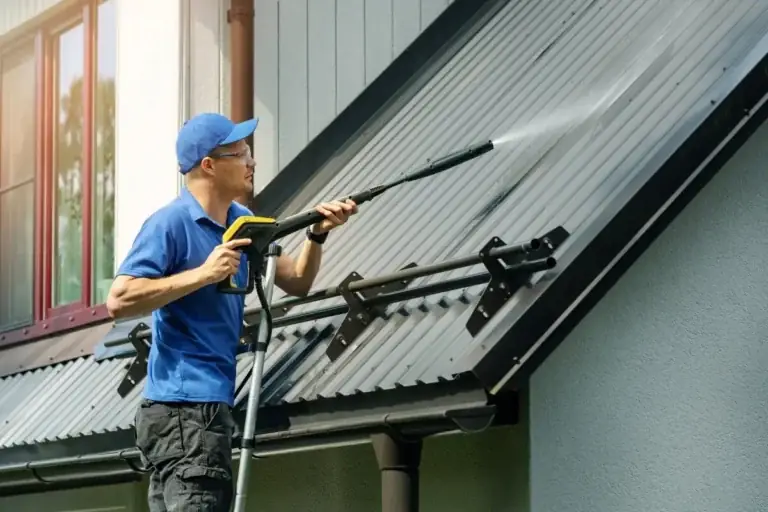
Aiming a narrow pressure washer nozzle at a roof tears away protective ceramic granules and voids manufacturer warranties immediately. According to the Asphalt Roofing Manufacturers Association (ARMA), homeowners should never use pressure washers on shingle roofs and should rely on low-pressure chemical cleaning solutions instead to remove black algae streaks safely.
Assuming plain water or dish soap stops exterior algae regrowth
Rinsing siding with plain garden-hose water or household dish detergent knocks off loose cobwebs, yet organic mildew bounces back within weeks because the root hypha survives inside surface pores. You need an EPA-registered exterior algaecide, sodium percarbonate (oxygen bleach), or properly diluted sodium hypochlorite to break down organic growth permanently.
Practical answers to what can i use instead of a pressure washer
Match your low-pressure tool and cleaner to the exact material on your walls, roof, or patio so you lift grime without scarring finishes.
-
2-gallon pump sprayer or hose-end sprayer with house wash (for vinyl, stucco, and roofs): Applies biodegradable algaecides and surfactants at 50 to 80 PSI, killing black roof streaks and green siding mildew without forcing water behind lap seams.
-
Cordless portable power cleaner like Worx Hydroshot or Ryobi 18V (for second-story windows, patio furniture, and cars): Draws water from a garden hose or 5-gallon bucket at 320 to 600 PSI, giving you five times garden-hose rinsing force without heavy cords.
-
Telescoping flow-through soft-bristle brush (for oxidized aluminum and painted wood trim): Connects directly to your garden hose so you can scrub chalky oxidation and spider droppings safely from the ground.
-
Sodium percarbonate oxygen bleach with a stiff deck brush (for cedar decks and fences): Lifts gray UV-damaged wood fibers and green moss safely without raising fuzzy wood grain the way high-PSI wands do.
-
Electric rotary surface scrubber or steam cleaner (for brick pavers and limestone patios): Uses spinning nylon brushes or high-heat vapor to lift grime without blasting polymeric joint sand out from between the stones.
Comparing cordless power cleaners against garden-hose sprayers
A $35 hose-end sprayer bottle (like 30 Seconds Outdoor Cleaner or Wet & Forget) covers a single-story wall in 15 minutes with zero batteries to charge. Cordless portable power cleaners cost $140 to $190, yet they pay off when you need extra rinsing reach for second-story trim, patio screens, or muddy outdoor gear away from a spigot.
Knowing when to skip DIY tools and hire a soft-wash contractor
Pump sprayers and telescoping brushes handle single-story ranch homes and ground-level fences easily, yet steep roofs and high gables carry real ladder and chemical-burn risks. Before hiring out two-story siding or roof washing, check verified customer feedback like rj pressure washing reviews to confirm the crew pre-wets landscaping, uses low-PSI soft-wash pumps, and carries commercial liability insurance.
Frequently Asked Questions
What can i use instead of a pressure washer to clean vinyl siding?
Use a 2-gallon pump sprayer or hose-end sprayer filled with a biodegradable house-wash solution, paired with a telescoping soft-bristle flow-through brush and a standard garden hose. This low-pressure soft-wash method kills green algae spores at the root without driving water behind vinyl siding seams.
Can I clean a concrete driveway without a pressure washer?
Yes, you can scrub oil spots and mildew with a stiff-bristle push broom and a paste of sodium percarbonate (oxygen bleach) or washing soda, then rinse with a high-flow garden hose nozzle. For large driveways covered in years of black algae, renting a rotary surface cleaner is faster than hand scrubbing.
Is a cordless power cleaner like the Worx Hydroshot worth buying?
Yes, for light exterior chores like washing cars, patio furniture, window screens, and second-story eaves, a cordless 320-to-600 PSI power cleaner is much lighter and safer than a full pressure washer. It will not replace a 3,000 PSI unit for stripping paint or deep-cleaning neglected concrete driveways.
How do I protect my plants when using chemical soft-wash alternatives?
Work on a cool, overcast morning so cleaning solutions do not evaporate too quickly, and soak all surrounding shrubs and flower beds with plain garden-hose water before and after spraying. Choosing oxygen bleach (sodium percarbonate) over chlorine bleach also reduces runoff risk near sensitive garden beds.
Ready to Clean Your Exterior Without High-PSI Risk?
Knowing what can i use instead of a pressure washer saves your siding, roof shingles, and wood decks from costly water-jet scarring while keeping algae away for up to two years. Walk around your property this weekend to check shaded walls and walkways, pick up a hose-end soft-wash sprayer or telescoping flow-through brush for ground-level cleaning, or request two written soft-wash quotes from insured local pros for second-story roofs and gables.