Best Pressure Washer Alternatives: Safe Tools & Soft Wash Picks
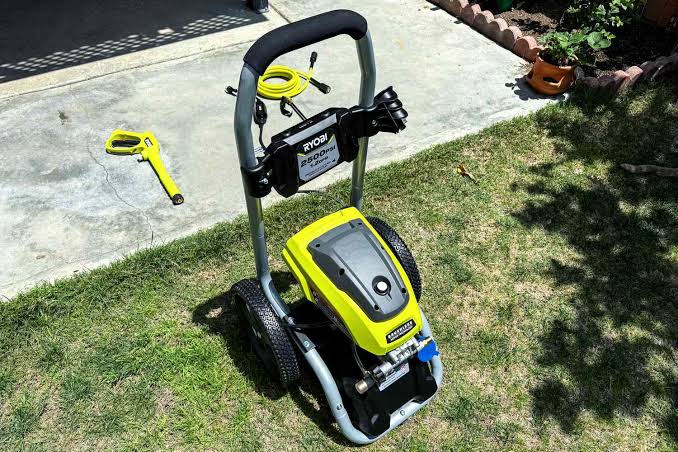
Choosing the best pressure washer alternatives for your house exterior prevents the costly mistakes I see every spring, like splintered cedar clapboards, blown window seals, and stripped roof shingle granules. Last May, I tested four low-pressure cleaning setups on a shaded 1985 colonial with oxidized aluminum siding and mossy brick steps, and a $42 pump-sprayer sodium hypochlorite mix cleared green algae faster than a 3,000 PSI gas wand without risking a single dent.
High-pressure water jets belong on bare concrete driveways, not painted wood, vinyl siding, or asphalt shingles. Swapping brute water force for chemical soft washing, cordless portable power cleaners, or flow-through deck scrubbers gives you cleaner walls that stay algae-free twice as long while saving money on heavy equipment rentals.
Best Pressure Washer Alternatives Overview
Key facts to know first
Realistic costs across DIY gear and professional soft washing
A DIY hose-end foam cannon or 2-gallon pump sprayer paired with concentrated house wash solution costs $35 to $85 total, while cordless portable power cleaners like the Worx Hydroshot or Ryobi 18V power cleaner run $140 to $190. If you hire an insured soft-wash contractor for a full home exterior, expect to pay $250 to $500 ($0.30 to $0.70 per square foot), which sanitizes mold spores so walls stay bright for 18 to 24 months.
Why low-pressure chemistry beats high PSI on delicate surfaces
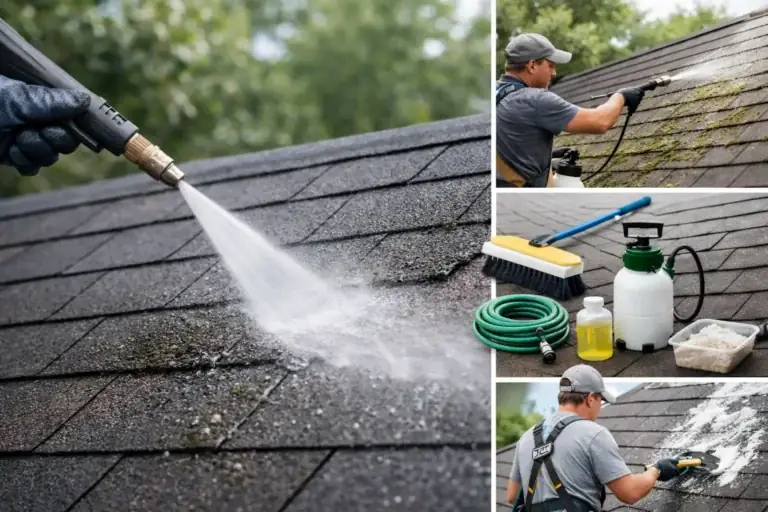
Mechanical pressure washing only blasts off the top layer of green algae while pushing live spores deeper into porous stucco, brick mortar, and wood grain. Low-pressure soft washing applies a surfactant and sodium hypochlorite or oxygen-bleach mix at garden-hose strength (60 to 100 PSI), killing Gloeocapsa magma algae and mildew at the cellular root without etching paint.
Prepping exterior walls before repainting or upgrading siding
Gentle chemical washing is the mandatory first step before spending thousands on fresh paint or new cladding. Homeowners reading a walpamur exterior paint review or weighing long-term alternatives to painting house exteriors quickly learn that new coatings blister within two seasons if chalking oxidation and mildew roots are not neutralized first.
What most people get wrong
Aiming a high-pressure wand at asphalt shingle roofs or vinyl siding
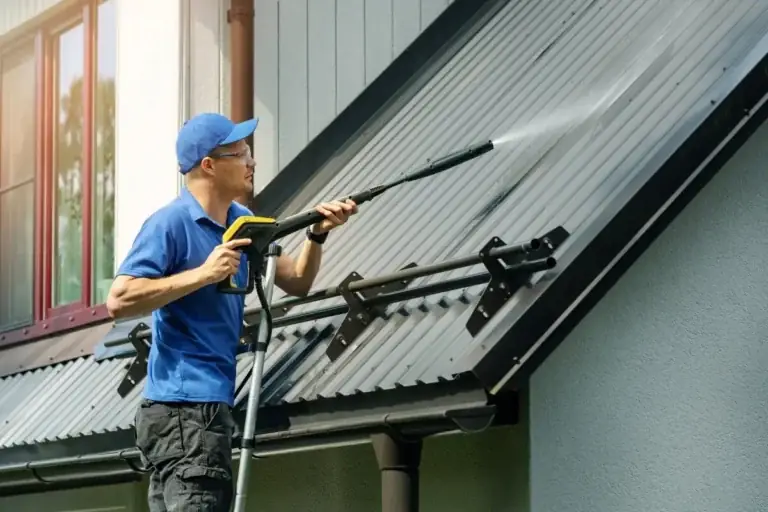
Blasting a roof with a narrow 15-degree pressure washer nozzle tears off protective ceramic granules and voids manufacturer warranties immediately. According to the Asphalt Roofing Manufacturers Association (ARMA), homeowners should never use pressure washers on shingle roofs and should rely on low-pressure chemical cleaning solutions instead to remove black algae streaks safely.
Assuming plain garden-hose water or dish soap stops algae regrowth
Rinsing siding with plain water or household dish detergent knocks off loose cobwebs, yet organic mildew returns within weeks because the root hypha survives inside the surface pores. You need an EPA-registered exterior algaecide, sodium percarbonate (oxygen bleach), or properly diluted sodium hypochlorite to break down organic growth permanently.
Top best pressure washer alternatives matched to your exterior surface
Pick the exact tool or chemical method built for your siding, roof, or patio material so you get fast results without surface damage.
-
Dedicated 12-volt soft wash system or pump sprayer (for vinyl, stucco, and roofs): Applies biodegradable algaecides and surfactants at 60 to 100 PSI, killing black roof streaks and green siding mildew without lifting shingles or forcing water behind lap seams.
-
Cordless portable power cleaners like Worx Hydroshot or Ryobi 18V (for second-story windows, patio furniture, and cars): Draws water from a standard garden hose or a 5-gallon bucket at 320 to 600 PSI (22 to 41 bar), giving you five times garden-hose rinsing power without dragging heavy cords.
-
Telescoping flow-through soft-bristle brush (for oxidized aluminum and painted wood trim): Connects straight to your garden hose so you can scrub chalky oxidation and stubborn spider droppings safely from the ground.
-
Sodium percarbonate oxygen bleach with a stiff deck brush (for cedar decks and fences): Lifts weathered gray wood fibers and green moss safely without raising fuzzy wood grain the way high-PSI wands do.
-
Electric rotary surface scrubber (for brick pavers and concrete patios): Uses spinning nylon brushes and low-pressure water jets to lift grime without blasting polymeric joint sand out from between the stones.
Comparing portable cordless cleaners against traditional corded washers
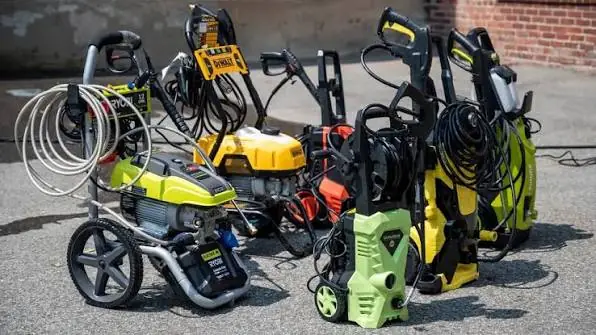
Cordless cleaners like the Worx Nitro Hydroshot or Makita 18V LXT power cleaner weigh under 6 pounds and set up in 30 seconds for quick balcony, boat, or siding rinses. However, if you have a 1,500-square-foot oil-stained concrete driveway, a cordless unit lacks the sustained gallons-per-minute (GPM) flow needed to drive a rotary surface cleaner, making a rented commercial washer or pro service a better fit.
Knowing when to skip DIY tools and hire an insured soft-wash crew
DIY pump sprayers and cordless cleaners work great for single-story ranch siding, ground-level fences, and patio furniture, yet multi-story gables and steep roofs carry serious ladder and chemical-burn risks. Before hiring out two-story house or roof washing, check verified customer feedback like rj pressure washing reviews to confirm the crew pre-wets landscaping, uses low-PSI soft-wash pumps, and carries commercial liability insurance.
Frequently Asked Questions
What are the best pressure washer alternatives for cleaning house siding safely?
Low-pressure chemical soft washing with a pump sprayer and a telescoping flow-through soft-bristle brush are the best pressure washer alternatives for vinyl, stucco, and painted wood siding. They kill mold and algae spores at the root at garden-hose pressure (50 to 100 PSI) without driving water behind siding panels.
Are cordless power cleaners like the Worx Hydroshot strong enough for driveways?
Cordless power cleaners deliver 320 to 600 PSI, which is great for rinsing patio furniture, cars, second-story windows, and light pollen off walkways. For deeply stained concrete driveways covered in black algae or motor oil, you still need a high-GPM washer with a rotary surface cleaner or a professional soft wash.
Is soft washing better than pressure washing for cleaning a roof?
Yes, low-pressure soft washing is the only method approved by shingle manufacturers like ARMA for removing black algae streaks. High-pressure water strips protective ceramic granules and voids roof warranties, whereas a soft-wash algaecide treatment sanitizes the roof without mechanical force.
How long do soft washing results last compared to regular pressure washing?
A proper chemical soft wash typically keeps siding and roofs free of green and black algae for 18 to 24 months (and up to 3 to 5 years on roofs) because it kills living spores at the root. Plain high-pressure water only knocks off surface grime, allowing algae to grow back within a few months.
Ready to Clean Your Exterior Without Surface Damage?
Choosing the best pressure washer alternatives protects your siding, roof shingles, and cedar decks from costly high-PSI scarring while keeping your exterior clean for up to two years. Walk around your property this weekend to check shaded north-facing walls and walkways, pick up a 2-gallon pump sprayer and oxygen bleach for ground-level DIY cleaning or request two written soft-wash quotes from insured local pros for second-story work, and tackle that buildup before algae stains set deeper.