Alternatives To Painting House: Lasting Siding & Masonry Options
Looking into alternatives to painting house exteriors usually starts the exact same way: you get a $6,500 bid from a painting contractor and realize you’ll have to write that check all over again in seven years. Two summers ago, I priced out a full exterior repaint for a 2,100-square-foot cedar-sided colonial, and spending $13,800 on pre-finished fiber cement siding ended up beating the 20-year cost of repeated scraping, priming, and brushing.
Modern exterior claddings, breathable mineral washes, and semi-transparent penetrating stains protect your walls for decades without forming a film that blisters and peels. Choosing the right option comes down to your existing wall material, your upfront budget, and how long you plan to stay in the home.
Alternatives To Painting House Overview
Key facts to know first
Realistic installed costs compared to standard house painting
A professional exterior paint job runs roughly $2.50 to $4.50 per square foot, whereas vinyl siding averages $4 to $8.50 per square foot installed and fiber cement lands between $8 and $15 per square foot. If you have bare brick or stone, slaked limewash or mineral silicate coatings cost $2 to $4 per square foot and never peel because they calcify directly into the masonry pores.
Lifespan and resale value return on investment
Vinyl cladding lasts 25 to 40 years with periodic rinsing, and factory-finished fiber cement boards easily reach 40 to 50 years with a 15-year baked-on finish warranty. According to the Journal of Light Construction’s Cost vs. Value data, homeowners recoup roughly 80% to 97% of vinyl siding costs and 88% to 114% of fiber cement replacement costs at resale, outperforming standard cosmetic repaints.
Deciding when a high-grade paint refresh still beats re-siding
If your existing weatherboards are straight, dry, and free of wood rot, upgrading your substrate isn’t always necessary. Reading an honest walpamur exterior paint review shows that a quality 100% acrylic coating still buys seven to ten years of weather protection for a fraction of re-cladding costs when your underlying boards are solid.
What most people get wrong
Trapping moisture inside brick with standard acrylic latex paint
Rolling standard acrylic latex paint over unpainted brick creates a plastic-like vapor barrier that blocks interior moisture from escaping. The Brick Industry Association notes in Technical Note 6 that impermeable exterior coatings cause spalling, efflorescence, and patching failure on masonry, whereas breathable limewash or potassium silicate mineral paints let water vapor pass freely.
Assuming “maintenance-free” vinyl or composite never needs cleaning
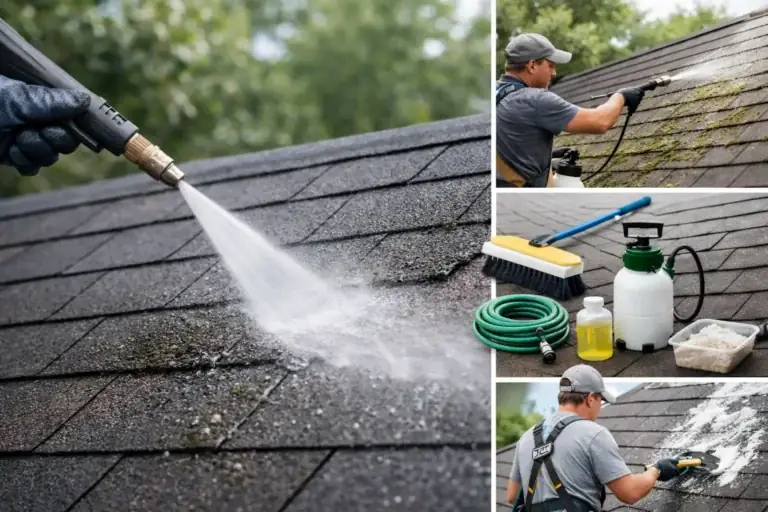
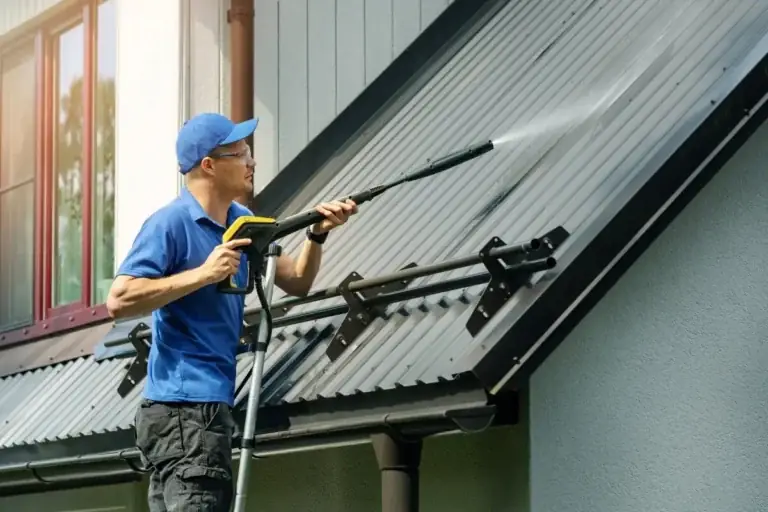
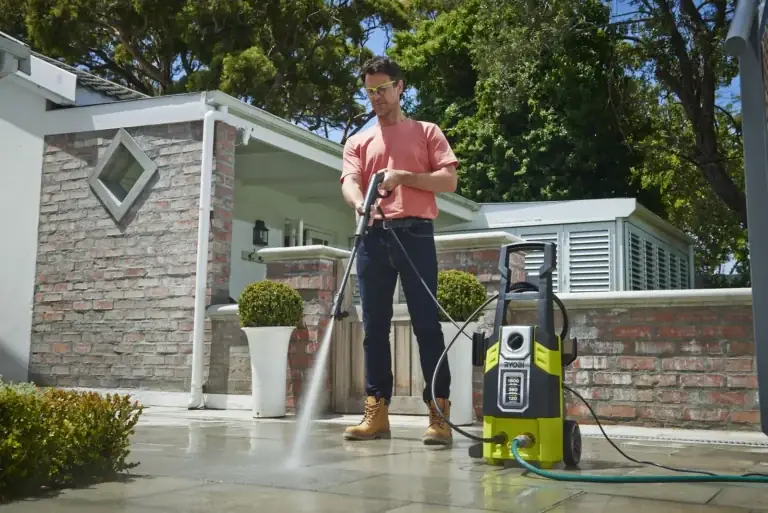
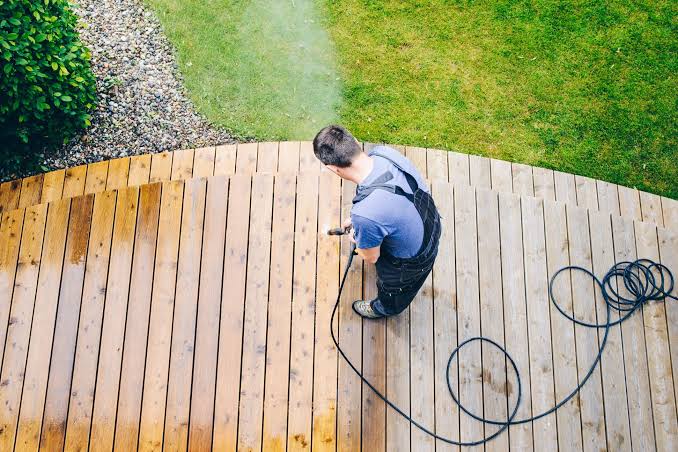
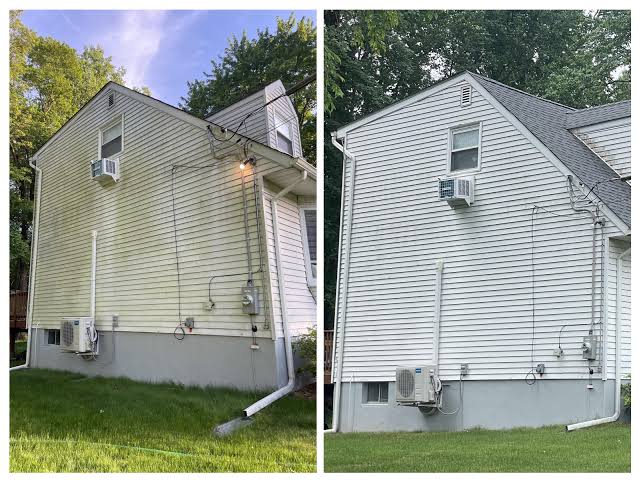
No exterior cladding stays spotless on its own, especially on shaded north-facing walls where green algae and pollen accumulate. You still need to wash your exterior walls every 18 to 24 months using low-pressure soft washing rather than blasting seams with high-PSI water that forces moisture behind the housewrap.
Best alternatives to painting house exteriors by wall type
Match your replacement cladding or mineral finish to the substrate currently on your walls so you don’t pay unnecessary tear-off labor.
-
Pre-finished fiber cement planks (James Hardie or Nichiha): Ideal for replacing rotted wood clapboards, offering Class A fire resistance, termite immunity, and factory-baked ColorPlus finishes that resist UV fading.
-
Insulated vinyl siding: Best for budget-conscious upgrades over flat wood or aluminum siding, wrapping your home in a continuous foam-backed thermal blanket that cuts thermal bridging.
-
Engineered wood siding (LP SmartSide): Gives you deep cedar-grain shadow lines and lighter installation weight than cement board, backed by zinc-borate fungal and pest treatment.
-
Slaked limewash or mineral silicate stain: Built specifically for porous, unpainted brick, stucco, and stone, bonding chemically to masonry so it weathers softly over 10 to 15 years instead of flaking.
-
Penetrating oil-based wood stain: Works best on bare cedar shakes or log exteriors, soaking deep into wood fibers rather than sitting on top as a rigid paint film.

Installation over existing siding versus full tear-off
Installers can often hang rigid foam board and new vinyl siding directly over flat, dry wood clapboards, saving $1,500 to $3,000 in demolition and dumpster fees. However, if you notice soft spots near window sills or buckled boards, tearing off down to the sheathing lets you fix hidden water damage and install fresh weather-resistant barrier tape.
Keeping your new cladding or wash clean safely
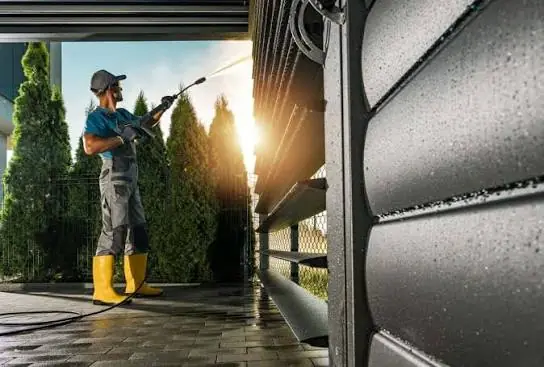
Once you invest in permanent siding or a breathable mineral finish, harsh high-pressure blasting can void manufacturer warranties or strip soft limewash. Before booking annual exterior maintenance, compare local soft-wash operators through rj pressure washing reviews and rhi pressure washing reviews to verify they use low-pressure detergent rinses safe for vinyl seams and masonry.
Editorial note: Reviewed for technical accuracy and residential exterior cladding standards by Kevin Dawson, Home Improvement Writer.
Frequently Asked Questions
What are the cheapest alternatives to painting house exteriors?
Limewash or mineral masonry stain ($2 to $4 per square foot) is the lowest-cost permanent alternative for unpainted brick and stucco. For wood-framed houses, standard horizontal vinyl siding ($4 to $8.50 per square foot installed) offers the lowest upfront price among full-cladding replacements.
Is vinyl siding cheaper than painting a house over 20 years?
Yes, vinyl siding usually costs less over a 20-year span because a typical two-story home requires two to three full exterior repaints during that same timeframe. While vinyl costs roughly twice as much upfront as a single paint job, you avoid recurring $5,000 to $8,000 labor bills every seven years.
Can you limewash over previously painted brick?
No, traditional slaked limewash requires raw, porous masonry to soak in and carbonate into a limestone bond. If your brick already has latex paint on it, you must either chemically strip the old paint first or apply a specialized mineral primer designed for low-suction surfaces.
How long does pre-finished fiber cement siding last without repainting?
Factory-applied baked-on finishes on fiber cement siding typically hold their color and adhesion for 15 to 20 years before needing a refresh coat. The cementitious boards themselves last 40 to 50 years or longer when installed with proper ground and roofline flashing clearances.
Ready to Pick Your Long-Term Exterior Finish?
Choosing the best alternatives to painting house walls comes down to matching your budget and substrate: go with breathable limewash for bare brick, insulated vinyl for fast low-maintenance coverage, or factory-finished fiber cement for maximum resale return. Walk the perimeter of your home this weekend to check for soft trim boards or chalking paint, measure your exterior wall square footage, and request three itemized cladding quotes alongside one repaint bid to compare your 15-year total cost.