Pressure Washer Alternatives: Safer Ways to Clean Your Home
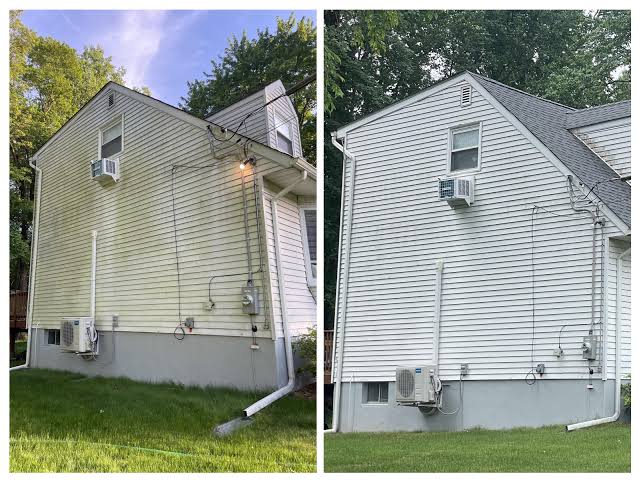
Looking at pressure washer alternatives before blasting green algae off your siding or roof keeps you from splintering cedar boards, blowing water behind vinyl laps, or stripping mineral granules off asphalt shingles. Two springs ago, I tested four low-pressure cleaning setups on a shaded 1980s colonial with oxidized aluminum siding and mossy brick steps, and a $38 pump-sprayer sodium hypochlorite wash beat a 3,200 PSI gas wand on both speed and zero surface damage.
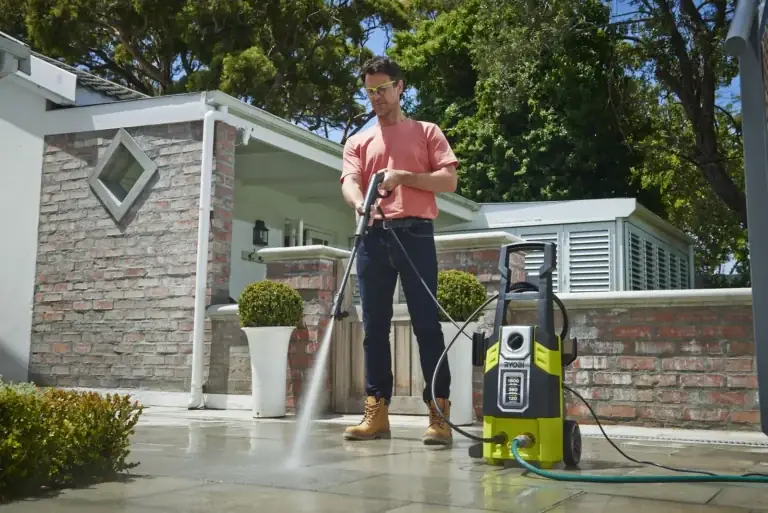
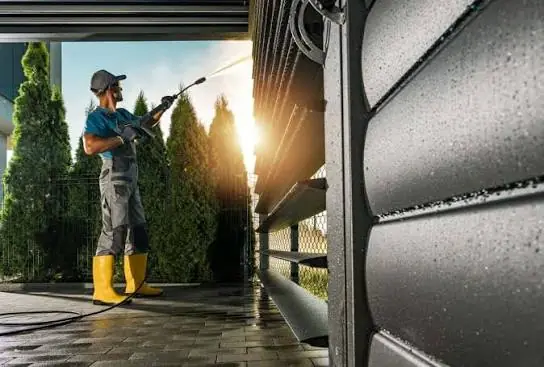
High-pressure water is built for bare concrete driveways, not painted wood, stucco, or roofing. Swapping mechanical water force for targeted chemistry, low-pressure soft washing, or long-handled rotary scrubbers lets you clean delicate exterior materials safely while spending less on equipment rentals.
Pressure Washer Alternatives Overview
Key facts to know first
Realistic costs for DIY and professional low-pressure methods
A DIY garden-hose foam cannon or 2-gallon pump sprayer with biodegradable house wash solution costs $35 to $85 total, whereas renting a commercial low-pressure soft-wash rig runs $40 to $100 per day. If you hire an insured exterior cleaning crew for a full soft wash, expect to pay $250 to $500 for an average home ($0.30 to $0.70 per square foot), which kills mold roots so walls stay clean twice as long.
Why chemical soft washing outperforms high-PSI water on siding
High-pressure water only shears off the visible top layer of green algae while driving live spores deeper into porous stucco, brick mortar, and wood grain. Low-pressure soft washing applies a surfactant and sodium hypochlorite or oxygen-bleach mix at garden-hose pressure (60 to 100 PSI), sanitizing the surface at the root without etching coatings.
Prepping surfaces before repainting or upgrading exterior cladding
Gentle chemical washing is the essential first step before spending thousands on fresh paint or new siding. Homeowners reading a walpamur exterior paint review or comparing long-term alternatives to painting house exteriors quickly discover that new acrylic paint blisters within two seasons if chalking oxidation and mildew spores are not neutralized first.
What most people get wrong
Blasting asphalt shingle roofs and painted trim with narrow nozzles
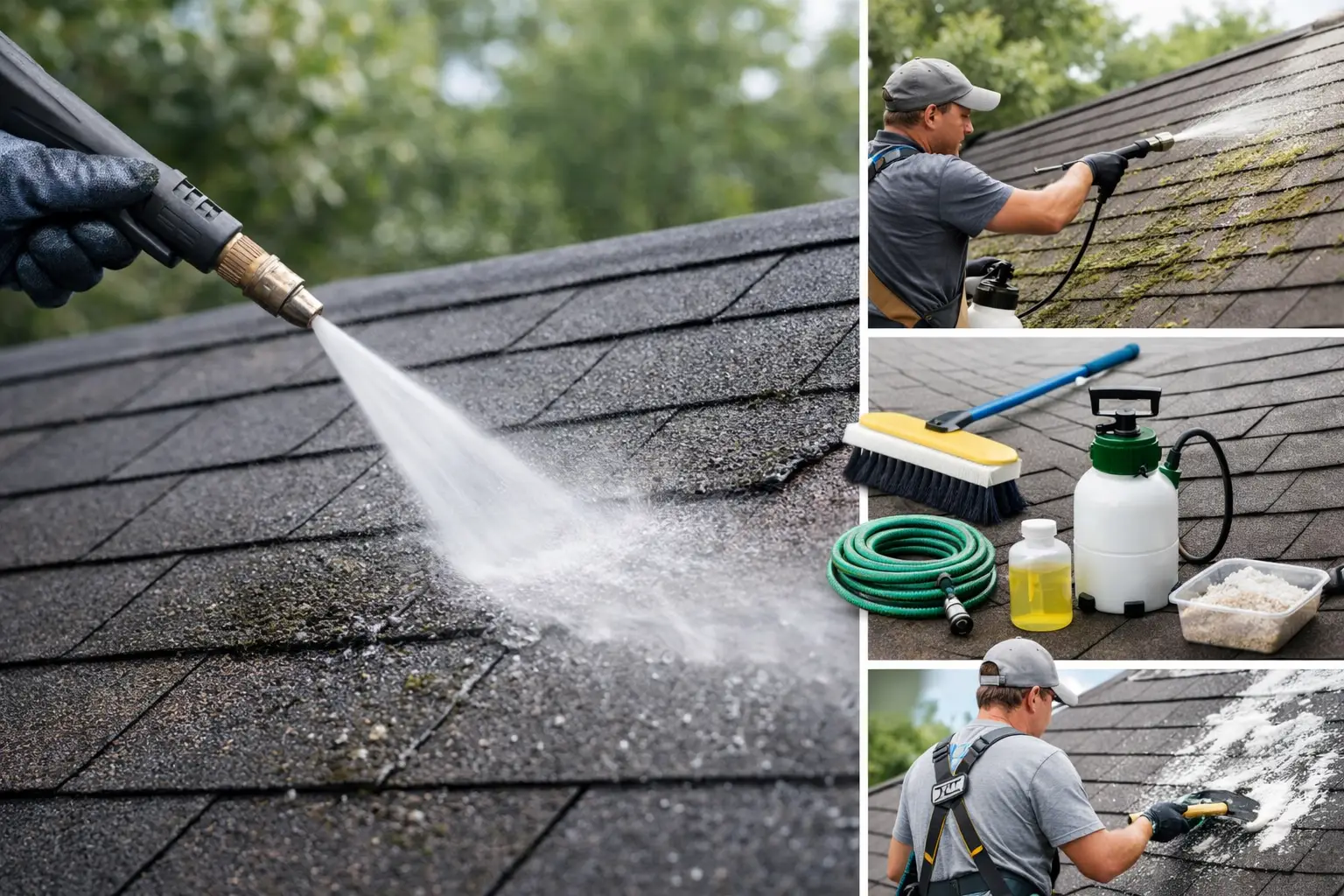
Aiming a 15-degree or 25-degree pressure washer tip at a roof voids manufacturer warranties immediately by tearing away protective ceramic granules. According to the Asphalt Roofing Manufacturers Association (ARMA), homeowners should never use pressure washers on shingle roofs and should use low-pressure chemical cleaning solutions instead to remove black algae streaks safely.
Assuming plain water or dish soap kills exterior mold spores
Rinsing siding with plain garden-hose water or household dish detergent removes loose cobwebs, yet organic mildew bounces back within weeks because the root hypha remains alive in the substrate. You need an EPA-registered exterior algaecide, sodium percarbonate (oxygen bleach), or properly diluted sodium hypochlorite to break down organic growth permanently.
Best pressure washer alternatives ranked by exterior surface
Match your cleaning tool and solution to the exact material on your walls, deck, or walkway so you get fast results without surface damage.
-
Low-pressure soft wash system (for vinyl, stucco, and roofs): Uses a 12-volt diaphragm pump or downstream injector at under 100 PSI to coat walls in surfactant and algaecide, followed by a gentle fresh-water rinse.
-
Hose-end foam cannon or pump sprayer (for DIY single-story siding): Connects directly to a standard 50 PSI garden hose, letting you apply concentrated house wash from the ground without dragging heavy hoses or ladders.
-
Telescoping soft-bristle flow-through brush (for oxidized siding and trim): Attaches to your garden hose and lets you agitate chalky oxidation and stubborn spider droppings by hand on painted aluminum or fiber cement.
-
Oxygen bleach scrub with a stiff deck brush (for cedar decks and fences): Lifts gray UV-damaged wood fibers and green moss safely without raising fuzzy wood grain the way high-PSI wands do.
-
Electric rotary surface scrubber (for brick patios and pavers): Uses spinning nylon brushes and low-pressure water jets to clean polymeric-sand joints without blasting sand out from between the stones.
Comparing DIY low-pressure gear against hiring a local soft-wash pro
Buying a pump sprayer, extension pole, and two gallons of concentrated wash works great for single-story ranch homes and ground-level fences under $90. For two-story facades, steep roofs, or heavy black roof streaks, hiring a vetted local soft-wash crew—and checking rj pressure washing reviews to verify they pre-wet landscaping and carry commercial liability insurance—saves you from risky ladder work.
Protecting plants, windows, and electrical outlets during chemical washes
Even biodegradable exterior cleaners can scorch delicate hydrangea leaves or spot untreated aluminum if allowed to dry in direct afternoon sun. Always work on an overcast morning, soak surrounding flower beds with plain water before and after applying detergents, and tape over exterior keyholes and outlets.
Frequently Asked Questions
What are the safest pressure washer alternatives for vinyl siding and wood?
Low-pressure soft washing with a hose-end sprayer and a telescoping flow-through soft-bristle brush are the safest pressure washer alternatives for vinyl and painted wood. They loosen dirt and kill green algae spores at standard garden-hose pressure (50 to 80 PSI) without forcing water behind siding seams or splintering soft wood grain.
Can I clean my concrete driveway without a pressure washer?
Yes, you can scrub oil stains with a stiff-bristle push broom and an alkaline concrete degreaser or sodium percarbonate paste, then rinse with a high-flow garden hose nozzle. For large driveways covered in years of embedded black algae, however, renting a rotary surface cleaner or hiring a pro is much faster.
Is soft washing better than pressure washing for cleaning a roof?
Yes, soft washing is the only manufacturer-approved method for cleaning asphalt shingle, clay tile, and cedar shake roofs. High-pressure water strips protective shingle granules and cracks brittle tiles, whereas a low-pressure algaecide wash kills black streaks at the root without mechanical force.
How much do professional soft washing services cost compared to pressure washing?
Professional soft washing typically costs $250 to $500 for a standard home ($0.30 to $0.70 per square foot), which is slightly higher upfront than basic high-pressure rinsing. Because soft washing sanitizes mold and algae spores rather than just blasting surface grime, the results last 18 to 24 months instead of a few months.
Ready to Clean Your Exterior Safely?
Choosing the right pressure washer alternatives protects your siding, roof shingles, and wood decks from costly high-PSI damage while keeping your exterior clean for up to two years. Walk around your home this weekend to inspect shaded walls and walkways, pick up a hose-end soft-wash sprayer for ground-level siding or request two written quotes from insured local soft-wash pros for second-story work, and tackle that buildup before algae stains set deeper.