When Painting The Exterior Of A House: Timing, Prep & Costs
Getting the sequence right when painting the exterior of a house determines whether your finish stays crisp for ten winters or starts peeling off the trim by next spring. Last autumn, I helped repaint a 1968 cedar-sided split-level whose previous owner had sprayed two coats of expensive acrylic paint straight over chalking old chalk-dust and unpainted bare wood sills without washing or spot-priming, leaving giant sheets of latex hanging like wet paper after one freeze-thaw cycle.
About 80% of any lasting exterior paint job happens before you dip a brush into topcoat. Choosing the right seasonal weather window, stripping loose paint safely, sealing bare wood and gaps, and applying two full coats from the top of the house downward saves thousands of dollars in premature labor and materials.
When Painting The Exterior Of A House Overview
Key facts to know first
Realistic DIY and professional painting costs in 2026
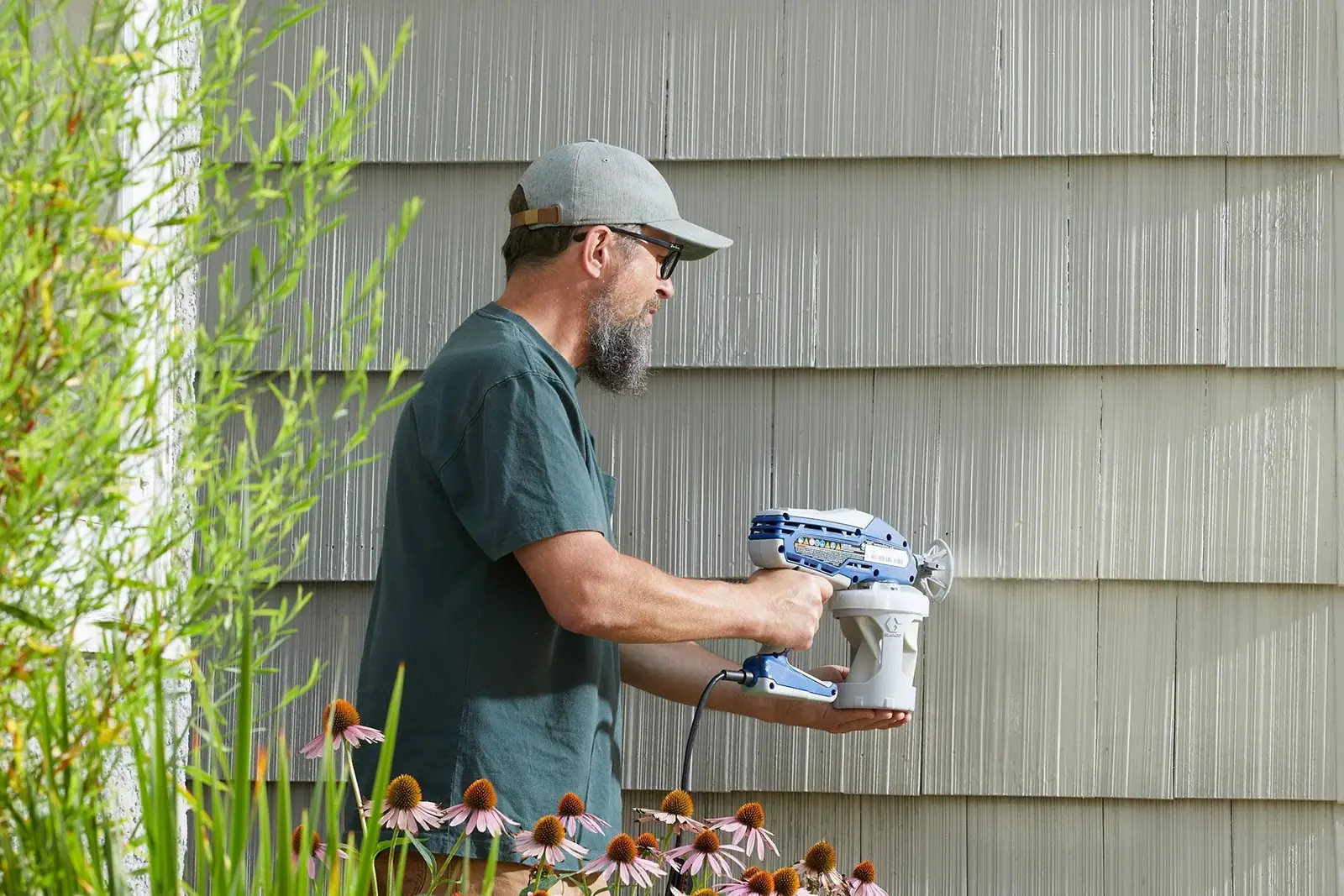
For an average 2,000-square-foot two-story home, DIY supplies (10 to 15 gallons of 100% acrylic paint, primer, caulk, scrapers, and drop cloths) run $650 to $1,150. Hiring an insured painting crew typically costs $3,200 to $6,800 ($1.75 to $3.50 per square foot), with two-story cedar clapboards and detailed Victorian trim landing at the higher end.
Best seasonal temperatures and weather windows for curing
Exterior 100% acrylic latex paint coalesces properly when daytime air and surface temperatures stay between 50°F and 85°F with mild breezes and low overnight humidity. Late spring and early autumn deliver the steadier temperatures in most regions, whereas midsummer heat above 90°F dries the top skin too fast and leaves lap marks.
Planning around rain, humidity, and masonry walls
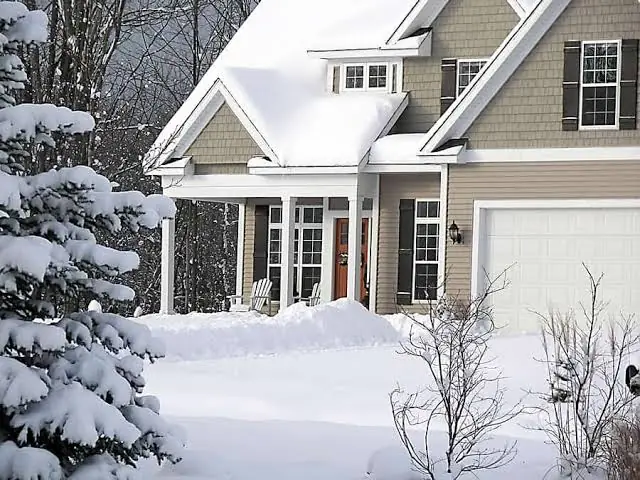
Unsettled weather ruins wet paint fast, so checking forecasts carefully for exterior painting when it rains and watching the 5-degree dew point margin during exterior painting when humid prevents surfactant streaks and blistering. If your home has a brick foundation or stucco gables, follow proven exterior masonry painting tips like using an alkali-resistant breathable primer before applying topcoat.
What most people get wrong
Painting older pre-1978 wood siding without lead-safe containment
Homes built before 1978 very often have lead-based paint buried beneath newer layers of latex, and dry-sanding or scraping it without containment contaminates soil and porches with toxic dust. According to the U.S. Environmental Protection Agency (EPA) Renovation, Repair and Painting Rule, homeowners and certified renovators must test suspect coatings and use wet-scraping, HEPA-shrouded sanders, and heavy plastic ground sheeting to contain paint chips safely.
Skipping primer on bare wood, caulked joints, and chalky siding
Topcoat paint is engineered to resist UV rays and rain, not to grip raw wood fibers or chalky oxidized pigment. Spot-priming every scraped wood patch with high-build exterior acrylic or oil-based stain-blocking primer (such as Sherwin-Williams Peel Bond or Zinsser Cover Stain) locks down feathered edges so the finish coat lays flat.
Step-by-step order of operations when painting the exterior of a house
Follow this exact top-to-bottom workflow so dirt, drips, and overspray never land on freshly finished surfaces.
-
Wash siding and trim first, then allow 48 hours to dry: Clean off green algae, spider webs, and chalky residue with a low-pressure house wash, and verify wood moisture sits under 15% with a pin meter before priming.
-
Scrape flaking paint, sand feathered edges, and spot-prime bare wood: Remove loose flakes with a carbide pull scraper, sand edges smooth with 80-to-120-grit sandpaper, and coat all exposed wood and knots with exterior primer.
-
Caulk vertical joints and window trim (never horizontal siding laps): Seal gaps around window casings, corner boards, and fascia with siliconized acrylic latex caulk, leaving the bottom edges of horizontal clapboards open so trapped wall moisture can drain out.
-
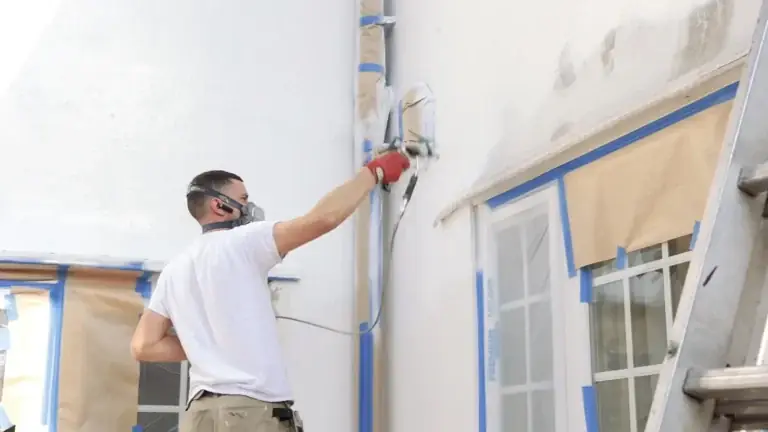
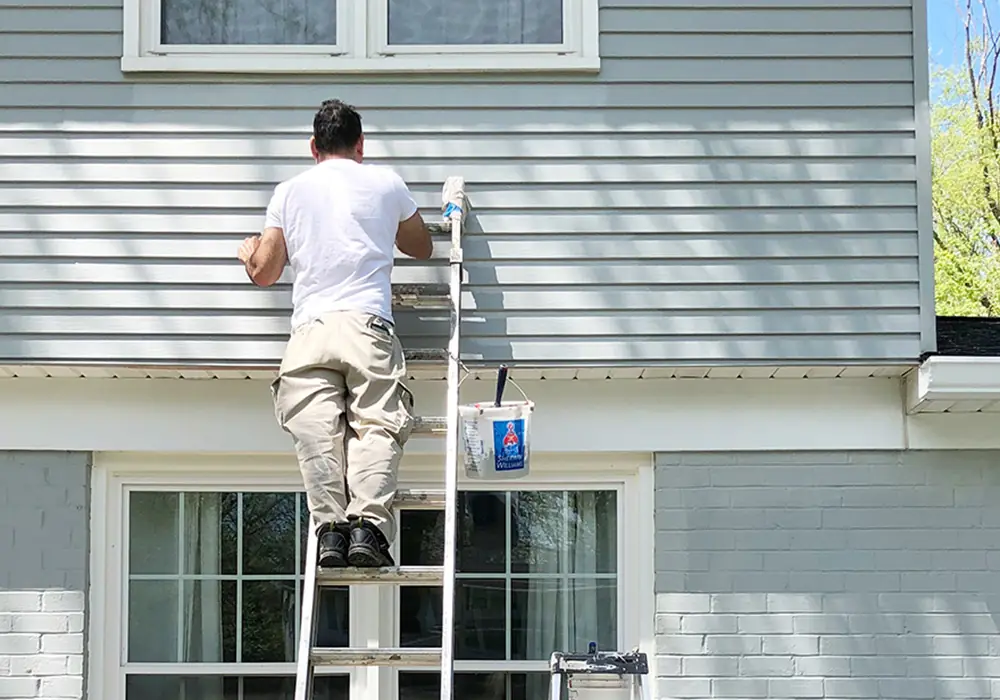
Paint from the top down in the shade, following the sun around the house: Start with roof eaves, soffits, and fascia boards, move down to main siding walls, and finish with window frames, doors, and foundation skirts while working on the shaded side of the house.
-
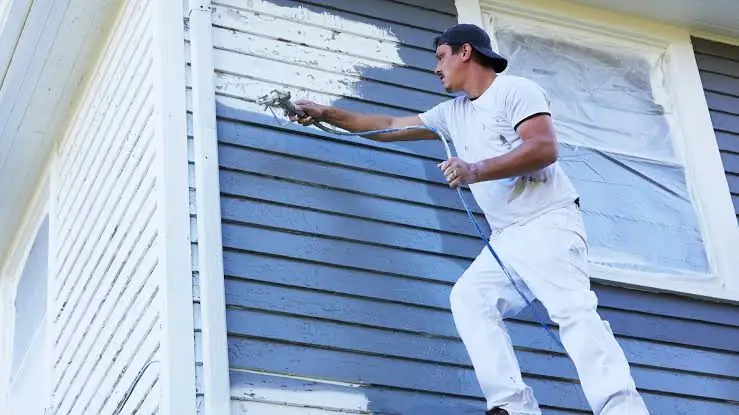
Apply two full coats of 100% acrylic exterior paint: Two coats at 350 to 400 square feet per gallon build the 4-to-5-mil dry film thickness needed to resist UV breakdown for 8 to 12 years.
Choosing the right sheen for siding, trim, and front doors
Use flat or low-luster satin paint on main lap siding because lower sheens hide wood grain waves, nail patches, and lap seams far better than glossy finishes. Step up to semi-gloss on window sashes, exterior trim boards, shutters, and doors so rain washes off handprints and pollen easily.
How to vet exterior painting estimates before hiring a crew
If you decide to hire professionals, collect three written bids that itemize pressure washing, scraping hours, brand-name primer and topcoat lines, and number of coats. Confirm the crew carries both general liability and workers’ compensation insurance, and keep upfront deposits between 10% and 25% until the job is complete.
Frequently Asked Questions
What is the right order when painting the exterior of a house?
The right order when painting the exterior of a house is washing the walls, letting them dry for 48 hours, scraping and sanding loose paint, spot-priming bare wood, caulking vertical trim joints, and painting from the top down (eaves and soffits first, then siding, then window trim and doors).
Should you caulk the bottom edge of horizontal wood or vinyl siding?
No, never caulk the horizontal underside gaps where overlapping siding boards meet. Those small gaps serve as essential weep openings that let condensation and wind-driven moisture escape from behind the siding instead of rotting the wood sheathing.
How many coats of paint does a house exterior need?
A house exterior needs one coat of primer over bare or repaired spots (or a full prime coat when making a drastic color change) followed by two full coats of 100% acrylic exterior paint. Two finish coats create proper film thickness for UV protection and prevent premature fading.
What is the best time of year to paint the outside of a house?
Late spring (May to June) and early autumn (September to October) offer the best conditions in most climates because daytime temperatures stay between 55°F and 80°F with lower humidity and minimal rain. Avoid painting in direct summer sun above 90°F or when overnight temperatures dip below 45°F.
Ready to Start Your Exterior Paint Project?
Getting professional results when painting the exterior of a house comes down to thorough surface prep, priming every bare wood spot, and working top-to-bottom on the shaded side of your home. Walk around your house this weekend with a notepad to mark peeling trim, failed caulk joints, and soft wood boards, check your local 5-day temperature and humidity forecast, and pick up a quality 100% acrylic primer and topcoat before tackling your first elevation.