Exterior Masonry Painting Tips: Prep, Primers & Lasting Coats
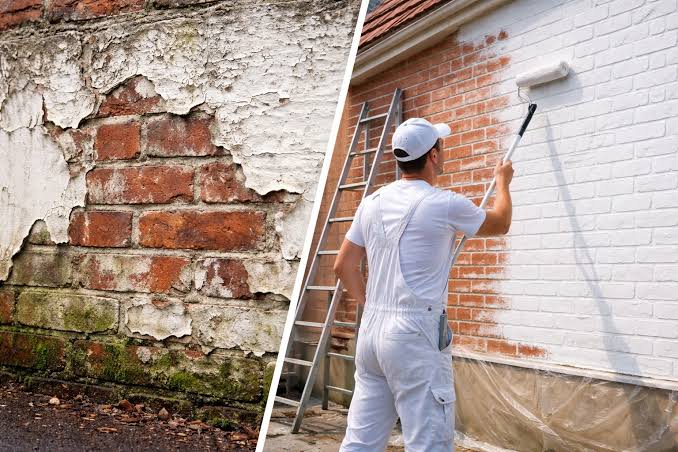
Following proven exterior masonry painting tips keeps you from watching a $3,500 paint job blister and peel off your brick, stucco, or cinderblock walls within two winters. Three summers ago, I stripped sheets of failed latex paint off a 1960s brick ranch in Ohio whose previous owner had rolled standard acrylic house paint straight over damp, efflorescence-dusted mortar without an alkali-resistant primer.
Masonry behaves like a rigid sponge that absorbs ground moisture, breathes water vapor outward, and carries high surface alkalinity up to pH 13 when fresh. Getting a finish that bonds tightly for 10 to 15 years requires neutralizing surface salts, choosing a vapor-permeable elastomeric or mineral coating, and timing your application around dry weather.
Exterior Masonry Painting Tips Overview
Key facts to know first
Realistic project costs and coverage rates on rough masonry
Porous brick, split-face concrete block, and heavy dash stucco drink 30% to 50% more paint than smooth wood siding, dropping coverage from 350 square feet per gallon down to 200 to 250 square feet. Expect quality masonry primer and breathable acrylic or mineral coatings to run $45 to $75 per gallon, while professional masonry painting averages $2.25 to $4.50 per square foot including pressure washing and crack patching.
Why vapor permeability and alkali resistance determine paint lifespan
Standard exterior latex paint forms a tight plastic film that traps outward-moving moisture inside brick and stucco, causing water vapor pressure to push the paint off in bubbles. Breathable 100% acrylic masonry paint, elastomeric coatings, or potassium silicate mineral paints have high perm ratings that let water vapor escape freely while resisting high concrete pH without saponifying.
Timing your masonry project around rain and high humidity
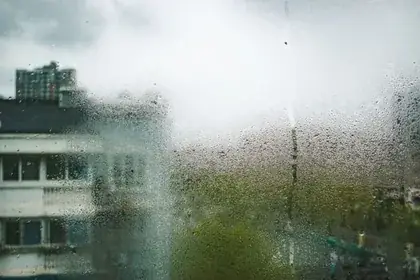
Masonry walls hold moisture deep inside their pores long after the outer surface feels dry to the touch. Checking forecasts carefully for exterior painting when it rains and watching dew point spreads during exterior painting when humid prevents trapping water behind fresh primer, especially when painting the exterior of a house with thick brick or stucco walls.
What most people get wrong
Painting over active efflorescence and chalky residue without neutralizing
White powdery salt crystals (efflorescence) and chalking old paint create a dusty bond-breaker that causes new primer to let go immediately. According to the Brick Industry Association (BIA) Technical Note 6, homeowners must trace and stop moisture intrusion first, scrub away existing efflorescence, and allow masonry walls to dry thoroughly before applying any breathable coating.
Using a short-nap roller instead of back-rolling rough mortar joints
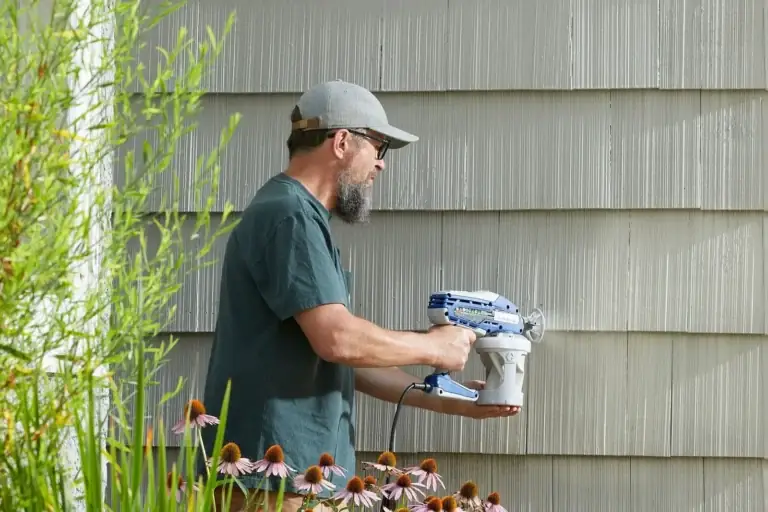
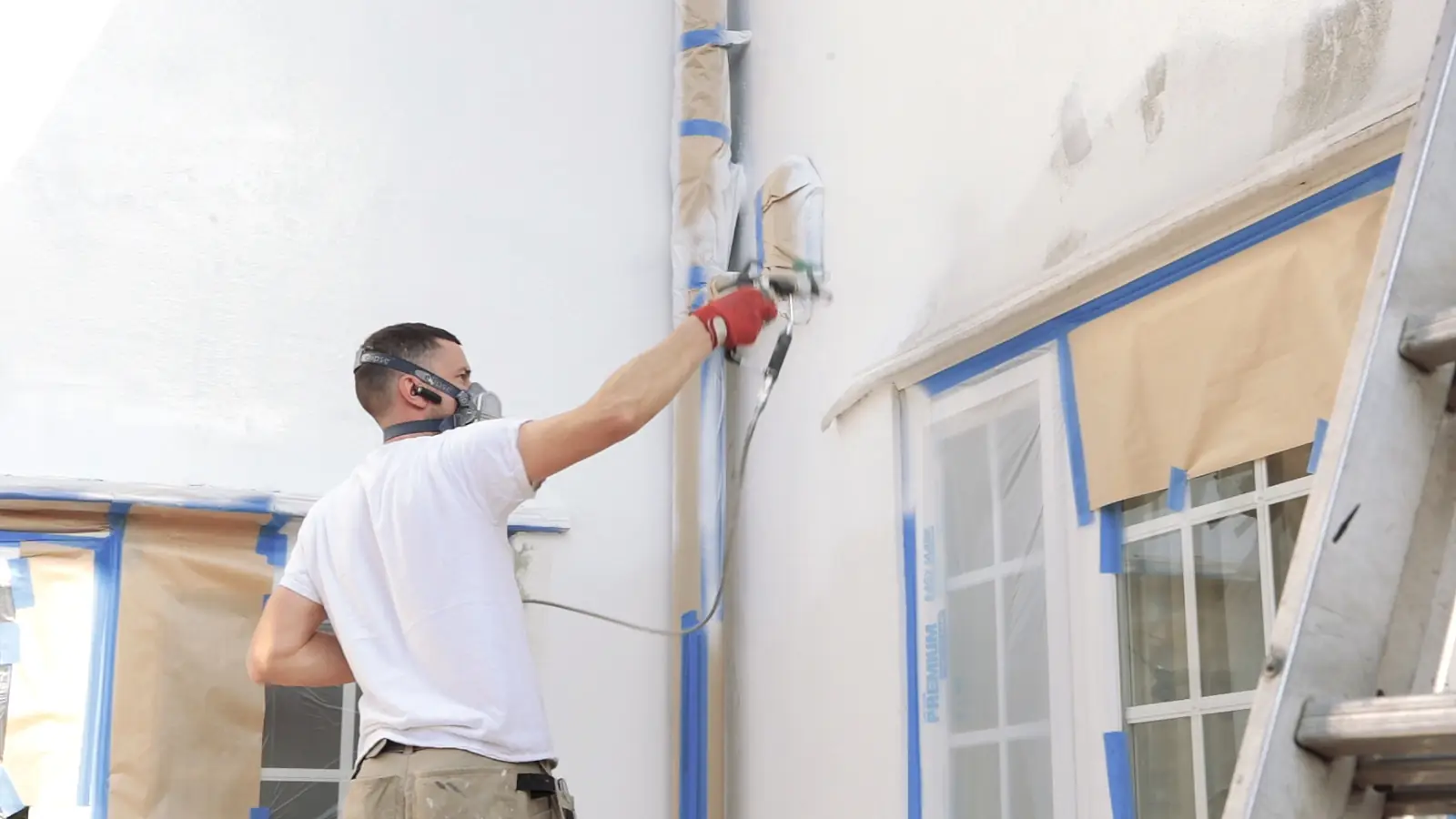
Rolling brick or rough stucco with a standard 3/8-inch roller cover leaves hundreds of tiny uncoated pinholes inside deep mortar joints and textured crevices. Spraying the coat with an airless sprayer and immediately back-rolling with a thick 3/4-inch to 1-1/4-inch high-capacity nap roller forces primer and topcoat deep into every pore.
Essential exterior masonry painting tips for prep and application
Follow these five field-tested steps on brick, stucco, and concrete block so your finish anchors into the substrate instead of sitting on top.
-
Cure new concrete or stucco for at least 28 days: Fresh Portland cement mortar and stucco maintain a caustic pH above 12 during curing, which burns through standard primers unless cured for a full month and sealed with an alkali-resistant masonry primer (rated up to pH 13).
-
Test wall moisture with a pinless meter or plastic sheet: Tape a 2-by-2-foot square of clear plastic tightly to the shaded wall for 24 hours; if condensation forms on the inside of the plastic, wait for drier weather before priming.
-
Patch hairline cracks with textured elastomeric masonry caulk: Fill cracks wider than 1/16 inch using sanded acrylic or polyurethane masonry sealant (such as Sikaflex or Sashco Mor-Flexx) rather than rigid mortar, which cracks again during freeze-thaw cycles.
-
Scrub white salt deposits with a stiff nylon brush and dilute cleaner: Remove dry efflorescence with a stiff brush first, and treat stubborn mineral crust with a mild, buffered masonry cleaner followed by a thorough fresh-water rinse and 48 hours of drying.
-
Apply two full coats of high-perm masonry paint or mineral stain: Choose breathable coatings like Sherwin-Williams Loxon XP, Benjamin Moore Ultra Spec Masonry, or Romabio mineral paint so trapped vapor can escape without blistering.
Choosing between elastomeric coatings, masonry acrylic, and mineral paint
Standard 100% acrylic masonry paint works best on sound, previously painted brick and concrete block where moisture levels stay low. If you have hairline stucco shrinkage cracks, a high-build elastomeric coating bridges gaps up to 1/16 inch with flexible film thickness, whereas potassium silicate mineral paint calcifies directly into unpainted brick for a flat, chalk-free finish that never peels.
Maintaining painted masonry without damaging the coating
Painted brick and stucco still collect north-wall algae, spider webs, and sprinkler mineral spots over time, yet blasting the wall with a narrow 15-degree high-pressure wand strips paint right off soft mortar joints. Rinse painted masonry once a year using a wide 40-degree fan tip under 1,000 PSI or a gentle garden-hose biodegradable house wash.
Frequently Asked Questions
What are the most important exterior masonry painting tips for unpainted brick?
The most critical exterior masonry painting tips for raw brick are testing for trapped moisture first, letting new mortar cure for 28 days, applying a breathable alkali-resistant masonry primer, and back-rolling with a thick 1-inch nap roller so paint fills every mortar recess. Never use standard interior or non-breathable exterior latex paint on raw brick.
How long should you wait to paint exterior masonry after rain?
Wait at least 48 to 72 hours of dry, sunny weather after a heavy rainstorm before painting brick, stucco, or concrete block. Because masonry absorbs water deeply into its pores, painting too soon traps moisture inside the wall and leads to bubbling and peeling within months.
Do you need to prime exterior brick or stucco before painting?
Yes, unpainted or chalky masonry always needs one full coat of alkali-resistant, vapor-permeable masonry primer (such as Sherwin-Williams Loxon Concrete & Masonry Primer). Primer neutralizes high concrete pH, binds dusty surface chalk, and prevents porous brick from soaking up expensive topcoat unevenly.
What is the best paint finish for exterior brick and stucco?
Flat or matte masonry finishes are best for exterior brick and stucco because they hide surface imperfections, mortar patch lines, and texture variations while offering high vapor permeability. Satin or eggshell masonry paints work well on smoother concrete foundations where easier dirt wash-off is helpful.
Ready to Paint Your Brick or Stucco Exterior?
Applying these exterior masonry painting tips—verifying wall dryness, sealing with an alkali-resistant primer, and back-rolling two breathable coats—protects your masonry from trapped moisture and peeling for over a decade. Walk around your home this weekend to check for white efflorescence crust, hairline stucco cracks, or chalky old paint, run a 24-hour plastic-sheet moisture test on your shadiest wall, and pick up a high-perm masonry primer and 1-inch nap roller before starting your first coat.