Exterior Paint When Cold: Minimum Temps, Risks & Pro Tips
Applying exterior paint when cold weather rolls in during late autumn can save you from waiting until next spring, or it can leave your siding covered in chalky, cracked film that peels off in sheets before April. Two Novembers ago in Michigan, I watched a homeowner brush standard latex paint onto his north-facing cedar fascia at 44°F around 3 PM, and when temperatures dipped to 33°F overnight, the uncured resin froze into a brittle, powdery crust that flaked right off under my fingernail.
Latex paints need warmth so water evaporates and polymer binders fuse together into a continuous plastic shield. Knowing the exact temperature floor for standard versus low-temperature acrylics, how surface temperature differs from air temperature, and when to wrap up brushing for the day lets you finish late-season projects safely.
Exterior Paint When Cold Overview
Key facts to know first
Minimum temperature thresholds for standard and cold-weather paints
Traditional 100% acrylic exterior paint requires air and surface temperatures of at least 50°F (10°C) during application and for 24 to 48 hours afterward. Low-temperature formulations (such as Sherwin-Williams Duration, Sherwin-Williams SuperPaint, and Benjamin Moore Aura or Regal Select High Build) contain special coalescing solvents that cure down to 35°F (2°C), costing roughly $65 to $90 per gallon.
What happens chemically when latex paint gets too cold before curing
Below its minimum film-forming temperature (MFFT), the acrylic resin spheres inside latex paint turn rigid and refuse to merge together as the water leaves. Instead of forming a flexible, water-tight skin, the paint dries into a weak, porous powder that washes away in rain, cracks during freeze-thaw cycles, and leaks brownish surfactant streaks.
Coordinating cold-weather painting with rain, humidity, and masonry
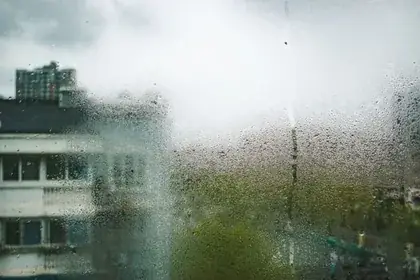
Autumn cold snaps rarely arrive alone, because damp air and passing showers drop wall temperatures even further. Checking forecasts carefully for exterior painting when it rains and watching the 5-degree dew point margin during exterior painting when humid prevents condensation from freezing under fresh primer, especially if you follow exterior masonry painting tips on porous brick or concrete walls.
What most people get wrong
Checking the air forecast instead of the actual siding surface temperature
Shaded north-facing walls, metal gutters, and masonry foundations sit 5°F to 10°F colder than the ambient air temperature shown on your phone’s weather app. According to the Painting Contractors Association (PCA) Industry Standards, painters must verify that substrate surface temperatures stay above the manufacturer’s minimum threshold and at least 5°F above the dew point throughout application and initial curing.
Painting late in the afternoon on sunny 45°F autumn days
A bright November afternoon feels warm in the sun, yet temperatures plummet within 30 minutes of sunset, catching afternoon paint while it is still wet. You need at least 3 to 4 hours of above-threshold warmth after your last brush stroke so the film skins over before nighttime cold and frost settle onto the wall.
Field rules for using exterior paint when cold weather hits
Follow these five habits whenever daytime temperatures hover between 35°F and 50°F so your primer and topcoat cure properly without cracking or streaking.
-
Test siding temperature with a $25 infrared thermometer: Aim the laser directly at shaded trim, metal flashing, and lower clapboards before opening a paint can, and wait until the surface reads at least 38°F to 40°F even when using 35°F-rated paint.
-
Work between 10 AM and 2 PM, following the sun around the house: Start on east-facing walls once morning frost melts and dry off, move to south and west elevations at midday, and stop all brushing by 2 PM so paint cures before evening temperatures drop.
-
Double the label recoat window between primer and topcoat: Cold air slows water evaporation dramatically, so wait at least 6 to 8 hours (or until the next morning) before applying a second coat over cold-weather acrylic primer.
-
Store paint cans indoors at room temperature overnight: Keep cans in a 65°F heated utility room or basement rather than an unheated garage; cold paint thickens like pudding, leaves heavy brush drag marks, and fails to level smoothly.
-
Avoid dark colors on cold-weather projects when possible: Deep charcoal, navy, and forest green bases hold extra colorant glycol that slows drying even further in 40°F weather and increases the risk of overnight surfactant leaching.
Choosing between latex low-temp acrylics and oil-based primers
For bare cedar knots, tannin-bleeding redwood, or rusted metal railings in chilly weather, a fast-drying alkyd oil primer (like Zinsser Cover Stain or Kilz Original) bites into cold substrates reliably and cures through solvent evaporation down to 35°F. Topcoat that cured primer with a cold-weather 100% acrylic finish rather than full oil paint so the exterior film stays flexible through winter freeze-thaw expansion.
Knowing when to pause exterior painting until spring
If overnight lows are forecast to dip below 32°F within 24 hours of painting, or if frost lingers on roof shingles until noon, pack up the brushes and wait for warmer weather. Spending $400 on extra paint and waiting until May beats spending $3,000 scraping failed, alligator-cracked paint off your entire house next spring.
Frequently Asked Questions
How cold is too cold for exterior paint when cold weather arrives?
For standard exterior latex paint, anything below 50°F is too cold, while specialized cold-weather acrylic formulations can be applied down to 35°F. You must also stop using exterior paint when cold overnight temperatures are forecast to drop below freezing (32°F) within 24 hours of application.
What happens if exterior paint freezes before it dries?
If wet latex paint freezes before the water evaporates and the acrylic binders fuse, the film fails to coalesce properly. Once it thaws, the paint turns powdery, cracks, peels off in sheets, or develops permanent shiny surfactant streaks.
Which exterior paint can you use in 35-degree weather?
Cold-weather 100% acrylic paints like Sherwin-Williams Duration, Sherwin-Williams SuperPaint, Benjamin Moore Aura, and Benjamin Moore Regal Select High Build are formulated to cure in temperatures as low as 35°F, provided the surface is dry, frost-free, and at least 5°F above the dew point.
How long does exterior paint take to dry in 40-degree weather?
In 40°F to 45°F weather, exterior latex paint takes 2 to 4 hours just to dry to the touch and at least 6 to 8 hours before it is ready for a second coat. Full curing to maximum hardness takes several days to a week in chilly autumn temperatures.
Ready to Plan Your Late-Season Exterior Paint Job?
Using exterior paint when cold weather approaches works cleanly when you upgrade to a 35°F-rated 100% acrylic coating, verify siding surface temperatures with an infrared thermometer, and stop brushing by 2 PM before evening frost sets in. Check your local 48-hour overnight temperature and dew point forecast today, move your paint cans indoors to warm up to room temperature, and tackle your sunniest south or west wall first during the warmest midday window.