Siding Technology: Modern Cladding, Rainscreens & Costs
Evaluating modern siding technology before signing a $22,000 exterior replacement contract keeps you from paying premium prices for yesterday’s moisture-trapping wall assemblies. Last spring, I inspected a 15-year-old suburban colonial where traditional lap siding had been nailed flat against standard housewrap, and trapped wind-driven rain had rotted the bottom two feet of OSB sheathing along the entire north wall despite the paint still looking decent.
Residential exterior cladding has shifted far beyond hollow vinyl strips and raw pine clapboards. Factory-baked UV finishes, ventilated rainscreen drainage gaps, continuous exterior rigid insulation, and mineral-composite boards now turn your home’s outer shell into a breathable thermal shield that lasts 40 to 50 years with minimal upkeep.
Siding Technology Overview
Key facts to know first
Realistic installed costs across modern cladding systems
In 2026, foam-backed insulated vinyl siding runs $6 to $12 per square foot installed, while engineered wood with zinc-borate fungal protection (such as LP SmartSide) lands between $7 and $12 per square foot. Factory-finished fiber cement boards cost $6 to $15 per square foot, and stone-mineral composites or hidden-fastener architectural metal panels range from $10 to $20 per square foot depending on trim complexity.
How ventilated rainscreen gaps and continuous insulation work together
Modern building science separates the outer rain barrier from the inner air-and-moisture barrier using a 3/8-inch to 3/4-inch ventilated drainage cavity behind the cladding. Pairing that airflow channel with continuous exterior rigid foam insulation cuts thermal bridging through wall studs while letting trapped condensation evaporate upward instead of rotting wall framing.
Comparing modern cladding against traditional exterior painting
Homeowners tired of scraping peeling clapboards every seven years increasingly look at pre-finished cladding as a permanent fix. If your existing wood boards are still structurally sound, reading an honest walpamur exterior paint review can buy you another decade, whereas checking long-term alternatives to painting house exteriors shows when factory-cured cladding beats recurring labor bills.
What most people get wrong
Nailing modern siding directly over flat housewrap in wet climates
Installing fiber cement, wood, or composite panels tight against flat housewrap creates capillary suction that holds wind-driven water against the back of the boards. According to the U.S. Department of Energy (DOE) Building America Solution Center, adding a ventilated rainscreen drainage plane and continuous exterior insulation (CI) dramatically improves wall drying potential and meets modern 2021 IECC residential thermal envelope standards.
Assuming dark factory-baked colors fade at the same rate as field paint
Bold charcoal, deep forest green, and matte black exteriors have become top architectural choices, yet homeowners often worry they will chalk within five years. Factory-applied baked-on acrylic and PVDF Kynar finishes cure in controlled ovens with UV-blocking pigments, holding color stability for 15 to 25 years far better than air-dried brush or roller paint.
Key breakthroughs in siding technology worth paying for
Focus your renovation budget on cladding upgrades that solve moisture drainage, hail impact, and energy loss rather than paying purely for decorative trim.
-
Ventilated rainscreen furring strips or drainage mats: Creates a capillary break behind the siding with screened top and bottom vents so liquid water drains out and humid air dries the sheathing from behind.
-
Continuous foam-backed insulated cladding: Wraps exterior walls in contoured expanded polystyrene (EPS) foam, adding R-2 to R-5 of continuous thermal resistance and stiffening panels against hail dents.
-
Oven-cured multi-coat factory finishes: Eliminates job-site weather delays during painting and carries 15-to-30-year manufacturer warranties against peeling, chipping, and UV fading.
-
Zinc-borate and resin-treated engineered wood: Bonds wood strands with exterior-grade phenolic resins and borate compounds to block termite damage and fungal decay at cut ends.
-
Hidden-fastener interlocking architectural panels: Conceals nail heads behind overlapping flanges on steel, aluminum, and composite boards for clean shadow lines and superior wind-uplift ratings.
Evaluating fire, hail, and wind-uplift ratings for your region
If you live in a wildfire-prone western county or a Midwest hail corridor, material composition matters more than surface grain texture. Non-combustible fiber cement and heavy-gauge steel earn Class A fire ratings and resist hail fractures that easily crack standard 0.040-inch builder-grade vinyl.
Safe low-pressure cleaning for factory-finished modern exteriors
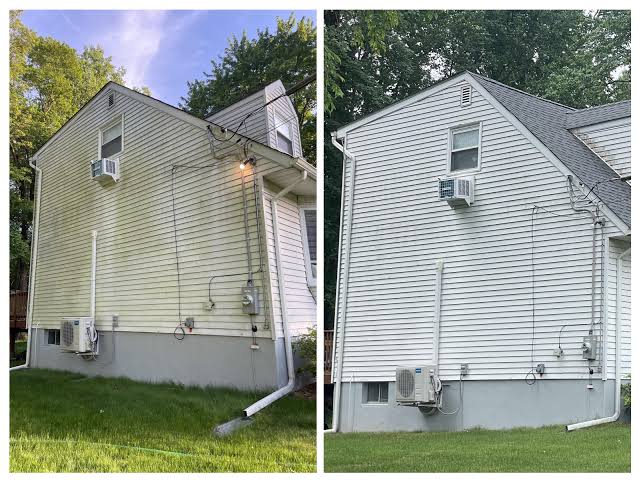
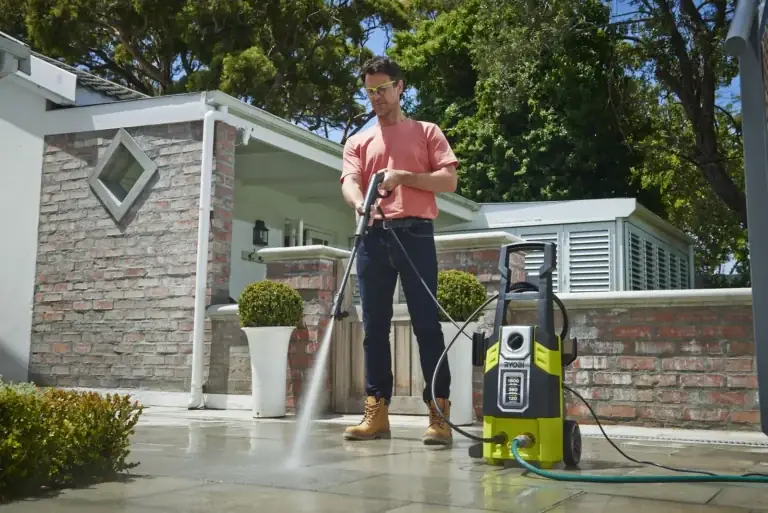
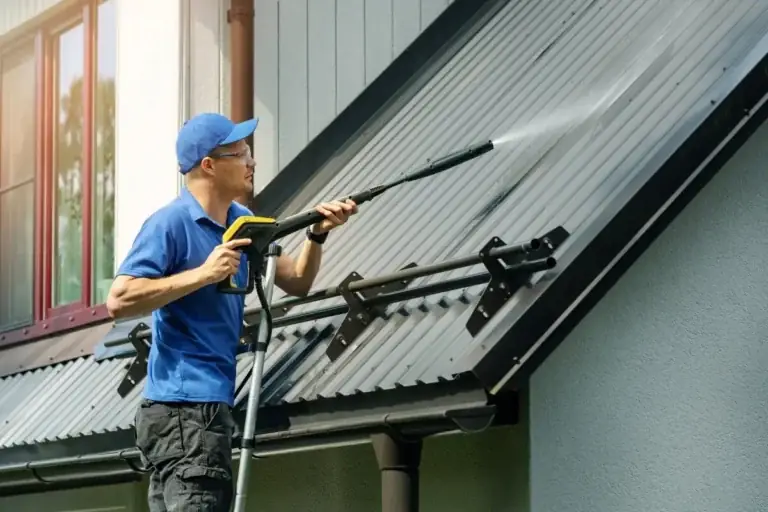
Even stain-resistant factory coatings collect north-wall algae and pollen over time, yet blasting engineered wood or insulated vinyl with a 3,000 PSI wand voids finish warranties immediately. Before booking annual exterior maintenance, check verified feedback like rj pressure washing reviews to confirm the crew uses low-pressure soft washing under 100 PSI.
Frequently Asked Questions
What is the biggest advancement in residential siding technology today?
Ventilated rainscreen assemblies paired with continuous exterior rigid insulation and oven-cured factory finishes represent the biggest leap in siding technology. Together, they eliminate trapped wall moisture, cut thermal bridging through wood studs, and prevent paint peeling for decades.
Does insulated vinyl siding actually lower home energy bills?
Yes, insulated vinyl siding adds R-2 to R-5 of continuous exterior insulation across the entire wall surface, reducing heat loss through framing studs where fiberglass batt insulation cannot reach. Most homeowners see a 10% to 15% drop in heating and cooling energy loss through exterior walls, alongside noticeably quieter indoor rooms.
How long do factory-applied siding finishes last before needing repainting?
Factory-baked finishes on fiber cement, engineered wood, and coated steel typically last 15 to 25 years without peeling, flaking, or noticeable UV fading. By comparison, standard field-applied exterior latex paint usually requires a refresh coat every 7 to 10 years.
Is a rainscreen drainage gap worth the extra installation cost?
Yes, especially in wet, humid, or coastal climates where wind-driven rain hits exterior walls regularly. Adding synthetic drainage mat or furring strips costs roughly $1.00 to $2.00 per square foot extra, yet it prevents $10,000+ in hidden sheathing rot and extends paint life on the cladding.
Ready to Upgrade Your Home’s Exterior Envelope?
Investing in modern siding technology—combining a ventilated rainscreen gap, continuous exterior insulation, and factory-cured cladding—protects your framing from hidden moisture while cutting recurring painting bills. Walk around your home this weekend to inspect lower wall courses for soft sheathing or failing caulk, compare itemized quotes from three local exterior contractors that include rainscreen drainage, and choose a cladding system built for your regional climate.