Exterior Painting When Humid: Dew Point, Limits & Pro Tips
Tackling exterior painting when humid without watching the dew point spread is a fast way to end up with gummy, slow-curing trim and ugly brownish surfactant streaks down your siding. Two Augusts ago in coastal Virginia, I watched a crew spray satin acrylic paint onto cedar clapboards at 88% relative humidity around 4 PM, and overnight dew settled straight into the uncured film, leaving sticky vertical drips across the entire porch wall by sunrise.
Latex exterior paints cure through water evaporation, so saturated air slows drying and prevents polymer particles from fusing into a tough barrier. Knowing the exact relative humidity ceiling, how to measure the 5-degree dew point margin, and which high-build acrylics resist moisture lets you paint confidently during muggy summer weeks.
Exterior Painting When Humid Overview
Key facts to know first
Ideal relative humidity range and maximum safe threshold
Most major paint manufacturers specify an ideal relative humidity range of 40% to 70% for exterior acrylic latex coatings, with an absolute upper cutoff of 85% relative humidity. Above 85%, water evaporates so slowly from the wet film that recoat times double from 4 hours to 8 or 12 hours, leaving the soft surface vulnerable to dust, insects, and evening dew.
Why the 5-degree dew point spread matters more than air temperature
Dew point is the temperature at which moisture in the air condenses into liquid water on cool siding and trim. Always keep your surface temperature at least 5°F (3°C) above the current dew point during application and for at least 3 to 4 hours afterward so invisible condensation does not form beneath or on top of the fresh paint.
Coordinating humid forecasts with rain and masonry prep
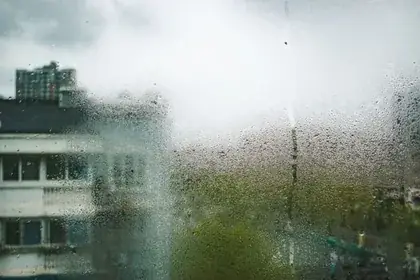
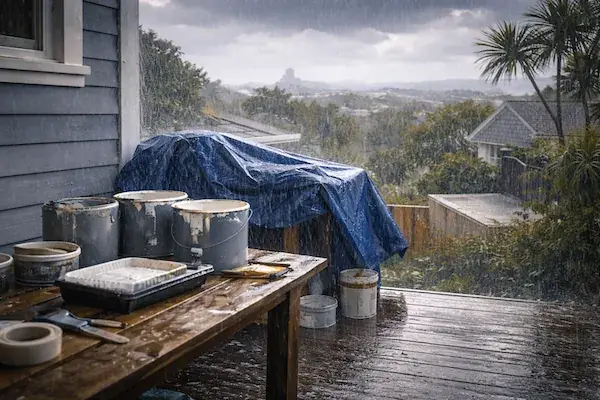
Muggy air almost always trails summer storms, which means siding and mortar joints stay damp long after puddles dry. Checking dry windows carefully for exterior painting when it rains and following proven exterior masonry painting tips helps you plan your schedule when painting the exterior of a house in sticky climates.
What most people get wrong
Painting late in the afternoon on sticky summer days
Homeowners often start brushing trim at 4 PM after work once direct afternoon sun leaves the wall, right when temperatures drop and relative humidity spikes toward evening dew. According to the Painting Contractors Association (PCA) Industry Standards, coatings must be applied within manufacturer-specified ambient and surface temperature, relative humidity, and dew point limits so the film coalesces properly and avoids surfactant leaching or premature blistering.
Assuming hot 90°F weather cancels out 85% relative humidity
High air temperature does not make paint dry faster if the air is already saturated with water vapor. In fact, 90°F heat paired with 85% humidity skins over the top millimeter of paint quickly while trapping wet solvent and water underneath, causing wrinkling and poor adhesion.
Smart rules for exterior painting when humid weather hits
Use these five field habits during humid summer months so your primer and topcoat cure hard without streaking or tackiness.
-
Carry a $25 digital psychrometer and infrared thermometer: Check ambient relative humidity, dew point, and actual siding surface temperature before opening a can, and pause work whenever the spread drops under 5°F.
-
Paint between 9 AM and 2 PM on humid days: Wait until morning sun burns off overnight dew on shaded north walls, and stop brushing at least 3 to 4 hours before sunset so the film skins over before evening humidity climbs.
-
Switch to moisture-tolerant 100% acrylic coatings: Formulations like Sherwin-Williams Resilience, Benjamin Moore Element Guard, or PPG Permanizer are engineered to resist early dew and high humidity within 60 to 90 minutes of application.
-
Apply thinner, even coats instead of heavy thick passes: Heavy coats trap moisture against the substrate in muggy air; two thin coats rolled or brushed to manufacturer spread rates (350 to 400 square feet per gallon) cure far harder than one thick coat.
-
Test wood moisture content with a pin meter: Humid summer air keeps bare cedar and pine trim damp even without rain, so confirm wood readings sit below 15% before applying oil or acrylic primer.
Fixing surfactant leaching streaks caused by high humidity
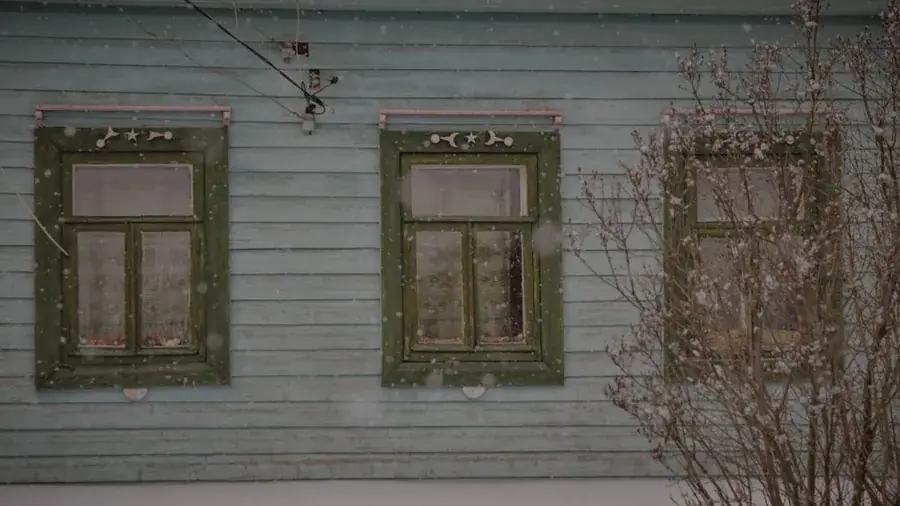
If overnight humidity draws water-soluble surfactants to the surface of fresh paint, you will see glossy, brownish, or soapy streaks the next morning. Do not paint straight over those streaks; gently wash the wall with a soft sponge and clean water, let it dry completely in warm midday air, and apply a fresh coat if sheen remains uneven.
Budgeting for extra dry time on coastal and southern projects
If you are hiring a painting crew in humid regions like Florida, the Gulf Coast, or the Mid-Atlantic during summer, expect daily production windows to run shorter than in dry spring or autumn weather. Reputable contractors schedule sunny elevations in mid-morning and stop exterior spraying by mid-afternoon rather than rushing a second coat onto tacky primer.
Frequently Asked Questions
What is too humid for exterior painting when humid weather arrives?
Anything above 85% relative humidity is too humid for exterior painting when humid weather sets in, and most paint brands recommend staying between 40% and 70% relative humidity. You should also stop painting whenever the siding surface temperature comes within 5°F of the dew point.
What happens if you paint outside when humidity is too high?
High humidity prevents water from evaporating out of latex paint, leaving the film soft, tacky, and slow to cure. Overnight dew can then settle on the uncured surface, causing surfactant leaching streaks, dull spots, blistering, or poor adhesion.
How long should I wait between coats in humid weather?
In 75% to 85% relative humidity, double the standard label recoat time from 4 hours to at least 8 hours, or wait until the next morning. Always press a clean fingernail gently into an inconspicuous trim edge to confirm the first coat feels hard rather than rubbery before recoating.
Which exterior paints hold up best in high humidity climates?
Moisture-resistant 100% acrylic exterior paints such as Sherwin-Williams Resilience, Benjamin Moore Element Guard, and Behr Marquee perform best in humid regions. They develop early moisture resistance in 60 to 90 minutes and include strong mildewcides to prevent algae growth on shaded walls.
Ready to Time Your Paint Job Around the Humidity?
Successful exterior painting when humid comes down to three simple checks: keep relative humidity under 85%, maintain at least a 5°F gap above the dew point, and wrap up brushing 3 to 4 hours before sunset. Check your local hourly dew point forecast before starting your next wall, pick up an inexpensive infrared thermometer if you are painting shaded wood trim, and choose a moisture-tolerant 100% acrylic paint so your finish cures cleanly without surfactant streaks.