Exterior Painting When It Rains: Dry Times, Risks & Rules
Dealing with exterior painting when it rains is one of the fastest ways to ruin a $4,000 exterior repaint if you ignore dry windows and substrate moisture levels. Two summers ago, I helped a homeowner strip milky, water-streaked acrylic paint off an entire south gable after a contractor kept spraying right up until a 4 PM thunderstorm hit, washing uncured binder straight down onto the brick foundation.
Water-based acrylic latex coatings need water evaporation to coalesce into a durable protective film. Knowing how many dry hours your paint needs before rain arrives, how long bare wood or brick must dry after a storm, and what to do if an unexpected shower catches fresh paint saves you from blistering, surfactant leaching, and costly rework.
Exterior Painting When It Rains Overview
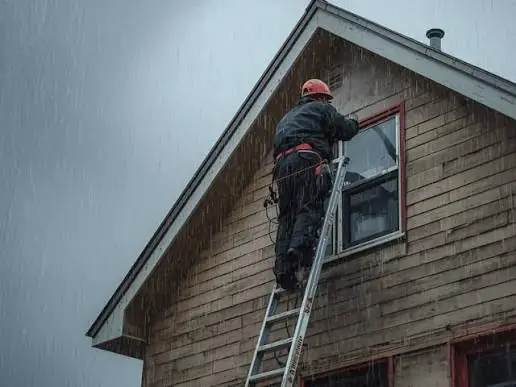
Key facts to know first
Minimum dry window before rain hits fresh exterior paint
Standard 100% acrylic exterior paint needs at least 4 to 6 hours of dry, warm weather after application before light rain arrives. Fast-drying formulations like Sherwin-Williams Resilience or Benjamin Moore Element Guard resist rain wash-off in 60 to 90 minutes, yet cool temperatures below 55°F double that curing window.
How long to wait after rain stops before picking up a brush
Even after the sun comes out, exterior siding holds absorbed water inside wood fibers and mortar joints. Wait 24 to 48 hours of dry weather after a steady rainstorm before painting wood clapboards, and wait 48 to 72 hours for porous brick or stucco, which you can verify using proven exterior masonry painting tips like a 24-hour plastic-sheet moisture test.
Checking humidity and dew point alongside rain forecasts
Rain isn’t the only moisture hazard during wet weather patterns, because high air moisture slows water evaporation from the paint film. Monitoring relative humidity during exterior painting when humid and checking surface temperatures when painting the exterior of a house keeps you from trapping damp air under fresh primer.
What most people get wrong
Assuming “dry to the touch” means the paint film is rain-ready
Latex paint often feels dry on the surface within 45 minutes, yet the bottom layer against the siding is still soft and water-soluble. According to the Painting Contractors Association (PCA) Industry Standards, coatings must be applied within manufacturer-specified temperature, relative humidity, and substrate moisture limits (typically under 15% wood moisture content) to prevent premature blistering, peeling, and surfactant leaching.
Painting over damp wood trim that looks dry in direct sunlight
Afternoon sunshine warms the outer face of cedar trim and fascia boards quickly while moisture stays trapped 1/4 inch deep inside the wood grain. Once you seal that damp wood with primer and topcoat, the next hot summer day turns trapped water into vapor pressure that pushes the paint film outward into ugly blisters.
Practical rules for exterior painting when it rains or storms threaten
Follow these five field rules whenever unsettled weather appears on your weekly forecast so you protect both your siding and your paint budget.
-
Use a $35 pin-type wood moisture meter before priming: Probe shaded north-facing clapboards, window sills, and lower trim boards; never apply primer or paint until readings drop below 15% moisture content.
-
Stop exterior painting at least 4 hours before forecasted showers: Watch local hourly radar rather than daily percentage summaries, and wrap up brushing by early afternoon when summer pop-up storms are common.
-
Switch to early-cure exterior formulations in coastal or wet climates: Products engineered for moisture resistance (such as Sherwin-Williams Resilience or PPG Permanizer) tolerate early dew and light rain within 1 to 2 hours at 60°F or warmer.
-
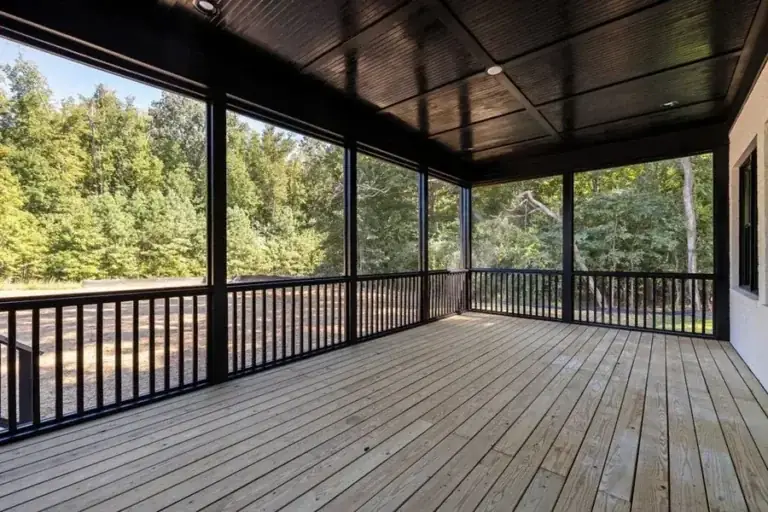
Work under covered porches and soffits on rainy days: Move ladders beneath deep roof overhangs, covered front porches, or garage bays where wind-driven rain cannot reach the substrate, provided relative humidity stays below 85%.
-
Inspect rain-struck paint before applying a second coat: If light mist hits semi-dry paint and leaves shiny, soapy surfactant streaks, wash the surface gently with plain water and let it dry for 24 hours before recoating.
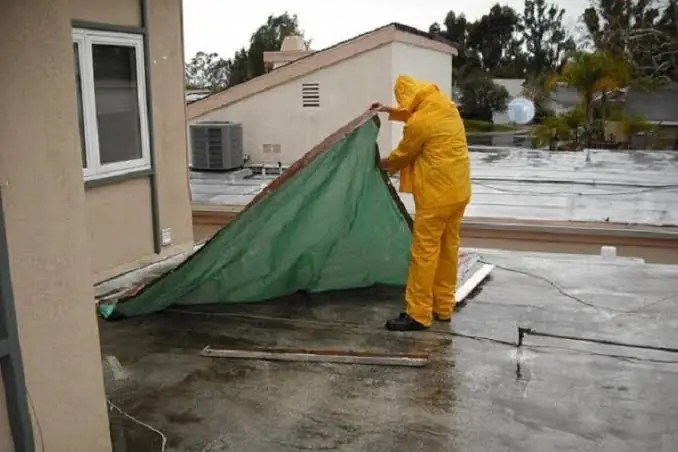
What to do immediately if sudden rain hits wet exterior paint
If a quick shower hits paint applied less than an hour earlier, let the wall dry completely once the storm passes instead of wiping wet latex with rags, which smears the soft film. Once dry, scrape away any washed-out or blistered patches, sand feathered edges smooth with 120-grit sandpaper, spot-prime bare wood, and recoat the affected section.
Budgeting for weather delays when hiring a painting contractor
Professional exterior crews build weather buffer days into spring and autumn schedules, so avoid pressuring a contractor to spray just to hit a Friday deadline. Make sure your written contract specifies that no coatings will be applied when rain is forecast within 4 hours or when substrate moisture exceeds manufacturer limits.
Frequently Asked Questions
How long does exterior paint need to dry before it rains?
Standard acrylic exterior paint needs at least 4 to 6 hours of dry weather above 55°F before light rain hits. Fast-drying exterior paints formulated for moisture resistance can withstand light rain in 60 to 90 minutes, though cool or humid air slows curing significantly.
How long after rain stops can I resume exterior painting when it rains?
Wait 24 to 48 hours of sunny, breezy weather after a rainstorm before painting wood or fiber-cement siding, and wait 48 to 72 hours for porous brick or stucco. Checking the wood with a pin moisture meter to confirm readings are below 15% is the safest way to verify dryness during exterior painting when it rains.
What happens if rain hits fresh exterior paint?
If rain strikes uncured latex paint, it can wash the binder off the wall, cause uneven dull spots, or draw water-soluble surfactants to the surface as glossy, brownish streaks. Once the wall dries completely, you will need to wash off surfactant residue, sand any blistered areas, and apply a fresh coat.
Can you paint under a covered porch while it is raining?
Yes, you can paint ceilings, trim, and sheltered walls under a deep covered porch during rain as long as wind-blown mist does not hit the wood and relative humidity stays below 85%. High humidity during a rainstorm slows paint drying dramatically, so allow extra dry time between coats.
Ready to Time Your Exterior Paint Project Safely?
Smart exterior painting when it rains comes down to respecting the 4-hour pre-rain dry window, waiting 24 to 48 hours after storms pass, and verifying wood moisture stays under 15% before opening a paint can. Check your local hourly radar and dew point forecast before starting your next wall, pick up a pin moisture meter if you have bare wood trim, and choose an early-cure 100% acrylic coating whenever spring or autumn weather looks unpredictable.