Deck Builder Guide: How to Build Better Decks and Outdoor Platforms
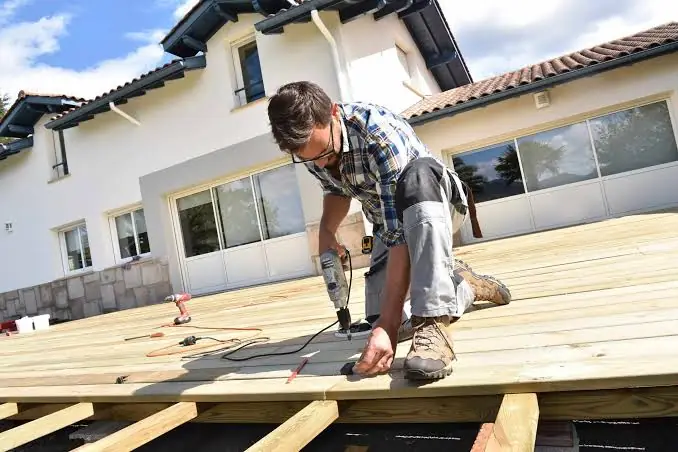
A good deck builder guide solves a funny modern search problem right up front: half the people typing those words want a 60-card tournament list for Friday night tabletop games, while the other half want to frame a 16-by-20-foot cedar platform in their backyard without failing a city building inspection. As a home improvement writer, I spend my weeks inspecting exterior framing, ledger flashing, and weather-exposed timber, yet the core discipline of planning a winning card deck and constructing a safe residential deck is surprisingly similar: you pick a clear plan first, balance your structural ratios, and test for weak links before committing real money.
Last summer, I helped a neighbor rebuild a sagging backyard platform after he skipped soil footing checks and nailed his ledger straight over vinyl siding, which reminded me how often builders rush straight to the flashy pieces without checking the foundation. Whether you are balancing mana curves in a trading card game or balancing joist spans and exterior finishes on a home renovation, skipping fundamentals always leads to early collapse.
What a Deck Builder Guide Covers and Why It Matters
The core skills every deck builder needs
Mastering structural foundations and resource curves
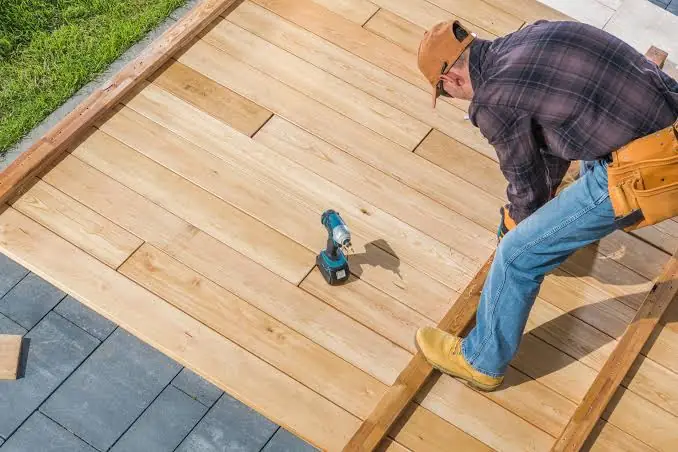
Every reliable deck builder guide starts with load distribution before surface aesthetics. In trading card games, that means keeping your mana curve low enough (mostly 1-to-3-cost plays) so you never stall out on turn three, while in exterior carpentry, it means sizing 2×10 pressure-treated joists and digging concrete piers at least 6 inches below your regional frost line so winter heave never twists your frame.
Knowing material tolerances and environmental limits
Residential exterior builders deal with rain, humidity, and UV exposure on every surface around the house. Before bolting a wooden deck ledger against brick or siding, you have to prep surrounding masonry with proven exterior masonry painting tips and check forecasts carefully for exterior painting when it rains or exterior painting when humid so moisture never gets trapped behind newly framed boards.
Common mistakes that sink a deck before the first game
Building without a unified win condition or structural load path
Tossing 40 cool-looking cards into a pile without a clear path to victory creates an inconsistent mess that loses to focused opponents. In home construction, bolting a deck ledger directly over hollow vinyl siding or skipping lateral tension ties breaks the load path, which the American Wood Council (AWC) DCA 6 Prescriptive Residential Wood Deck Construction Guide flags as the primary cause of residential deck separation.
Ignoring early-game defense and weatherproofing
Players who pack only expensive late-game finishers get overrun before turn five, just like homeowners who buy pricey capped composite boards at $8 per linear foot but skip $90 worth of butyl joist tape underneath. Water pools around fastener holes on untaped framing lumber, rotting the structural joists years before the composite surface wears out.
Picking a Strategy Before You Pick Cards
Choosing between fast aggression and long-game control
Fast tempo builds versus durable multi-decade structures
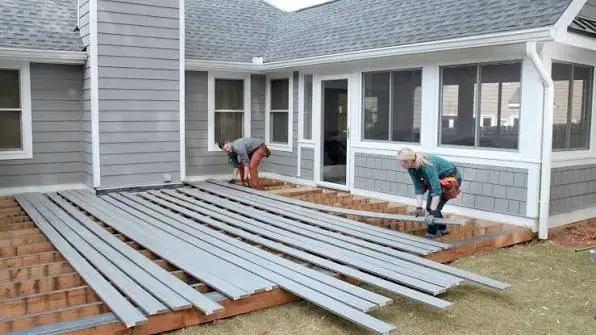
Aggressive card decks trade late-game power for immediate board pressure, aiming to close out matches by turn four or five with cheap, efficient threats. On the home exterior side, a simple ground-level pressure-treated pine platform built for $15 to $20 per square foot gives you fast weekend assembly and immediate outdoor seating, though it demands re-staining every two to three years.
Control strategies and low-maintenance architectural builds
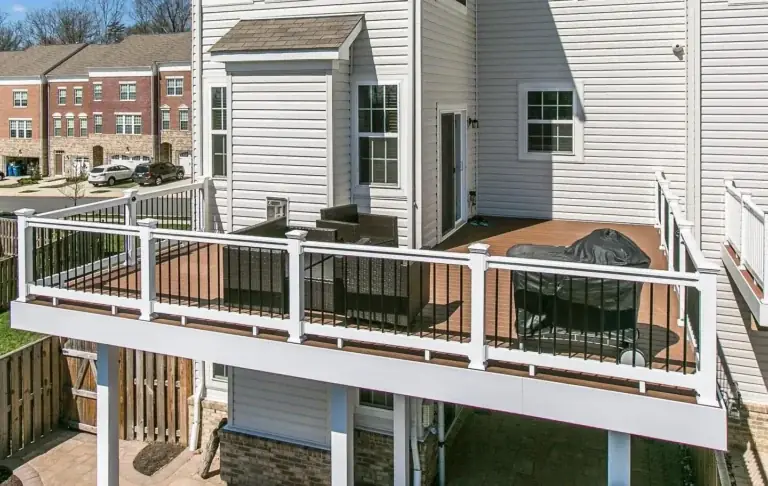
Control card decks use removal spells and card draw to survive early attacks before locking down the board with resilient finishers. Similarly, spending $40 to $60 per square foot on steel framing, hidden stainless fasteners, and capped mineral-composite decking costs far more upfront, yet it eliminates annual sanding and staining for 30 years.
Matching your strategy to how you actually like to play
Auditing your budget, maintenance tolerance, and local rules
Before buying a single booster box or ordering a pallet of lumber, write down what you realistically want to maintain over the next five years. If you hate repetitive upkeep, pick low-maintenance composite boards or a straightforward midrange card archetype that plays smoothly without constant tuning.
Balancing Your Card Mix
Finding the right ratio of core cards to support cards
Applying proven ratios for consistency and structural safety
Whether you are organizing a 60-card deck list or laying out a 200-square-foot backyard frame, sticking to tested ratios prevents awkward failures under pressure:
-
Core engine and primary framing (40% to 45% of your build): In a 60-card deck, run 24 to 26 core synergy and threat cards; on a residential deck, allocate the bulk of your budget to #1 Southern Yellow Pine 2×10 joists spaced 16 inches on center (12 inches for composite) and 6×6 support posts.
-
Mana base and concrete footings (38% to 42% of your build): Run 23 to 25 lands or mana sources so you hit every drop on schedule, and pour 10-to-12-inch diameter concrete footings rated at 3,000+ PSI below your local frost depth so your structure never shifts.
-
Interaction, removal, and structural hardware (15% to 20% of your build): Include 8 to 12 removal or disruption spells to stop opponent combos, and use only hot-dipped galvanized (ASTM A153) or 316 stainless steel joist hangers, hold-down tension ties, and ledger bolts.
-
Flex slots, trim, and protective finishes (5% to 10% of your build): Reserve your final slots for meta-specific sideboard answers in card games, or butyl joist tape, aluminum post caps, and penetrating semi-transparent wood sealer on exterior builds.
When to cut cards you love for cards that win
Swapping decorative extras for reliable performance
Every builder falls in love with flashy extras, like a seven-mana dragon that stays stuck in your opening hand or intricate diagonal herringbone inlay boards that double framing labor and waste 25% of your lumber in off-cuts. Cut anything that slows down your core function, and replace it with workhorse pieces that perform reliably in rain, heat, or tough matchups.
Testing and Improving Your Deck
How to spot patterns in your losses
Logging test hands and inspecting framing before covering it up
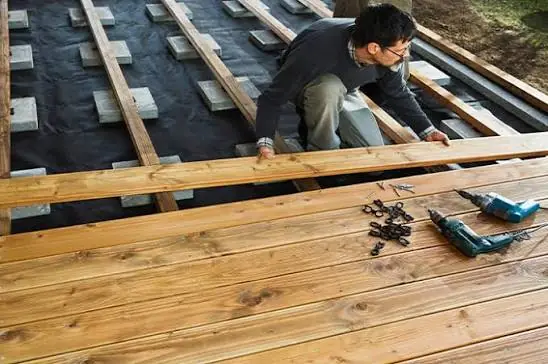
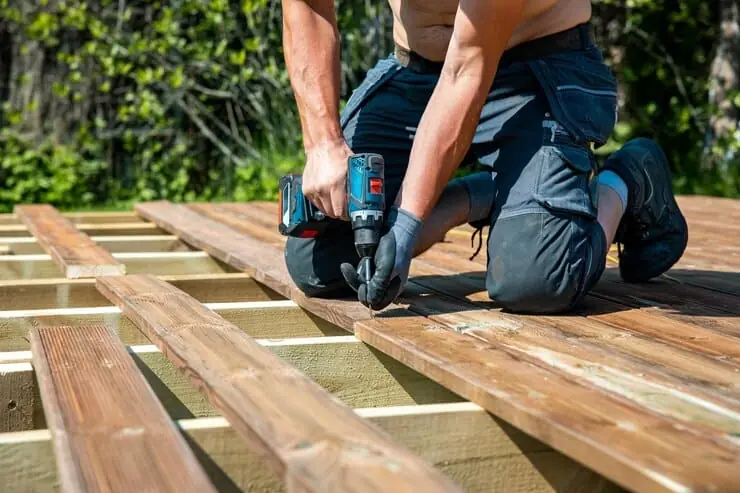
Play ten goldfish test hands or track ten real matches to see whether you lose because you run out of cards, miss early land drops, or get overwhelmed by fast creatures. On a home build, run a pre-drywall or pre-decking inspection with a flashlight, 4-foot level, and tape measure before laying floorboards so you catch missing hanger nails, crowned joists installed upside down, or unsealed ledger flashing while every connector is still exposed.
Making small changes that lead to big results
Iterating one variable at a time
Never overhaul 15 cards or rip out an entire railing section after a single bad afternoon. Swap two or three underperforming cards at a time to smooth your curve, or tighten stair stringer spacing and add mid-span blocking to eliminate bounce on a specific walking path.
Frequently Asked Questions
What is the first step in a deck builder guide?
The first step in any deck builder guide is defining your clear goal and constraints before buying materials—choosing your core archetype and mana curve for a card game, or checking property setbacks, calling 811 for utility locates, and pulling a municipal permit for a backyard deck.
What is the golden ratio for balancing a 60-card deck?
A reliable starting ratio for a 60-card constructed deck is 24 lands (40%), 24 to 26 core creature or threat cards, and 10 to 12 interaction, removal, or card-draw spells. Adjust land counts up to 26 for slower control decks or down to 20 for low-curve aggressive decks.
How far apart should residential deck joists be spaced?
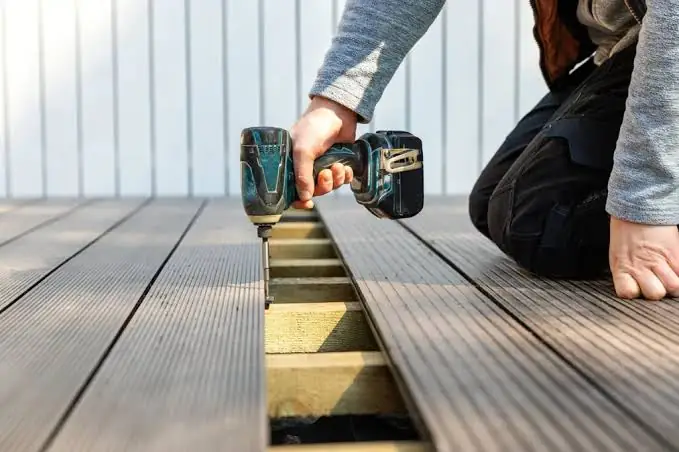
Standard 2×6 pressure-treated pine or cedar deck boards require framing joists spaced 16 inches on center, while capped composite and PVC boards require 12-inch on-center joist spacing to prevent sagging in summer heat.
How can I test my deck before committing to full costs?
For card games, proxy test lists and run 10 to 15 practice games against common matchups before buying expensive singles. For home decks, lay out batter boards with mason string to verify square corners and schedule a municipal rough-framing inspection before screwing down finish floorboards.
Ready to Build Your Next Winning Deck?
Using a disciplined deck builder guide comes down to locking in your core strategy first, respecting proven structural and resource ratios, and testing weak points before you lock everything down. Sketch your layout or card list today, verify every foundational connection—whether that means checking your frost-line concrete piers and ledger flashing or trimming clunky high-cost cards—and start building with confidence.